
Array
(
[0] => WP_Post Object
(
[ID] => 14228
[post_author] => 1
[post_date] => 2024-05-27 16:49:38
[post_date_gmt] => 2024-05-27 16:49:38
[post_content] => Top 10 Most Underrated Cities in the USA
When thinking about places to relocate to within the United States, cities like New York, Los Angeles, and San Francisco often dominate the top 10 lists. These popular cities do offer a high quality of life, but also come with a high cost of living. However, the U.S. is home to many lesser-known cities that offer incredible experiences, vibrant communities, and unique charm for a fraction of the cost. These underrated cities may not be on the typical radar, but they have a lot to offer in terms of livability, culture, lifestyle, and opportunities. Let’s explore ten of the most underrated cities in the USA that deserve more attention.
1. Boise, ID
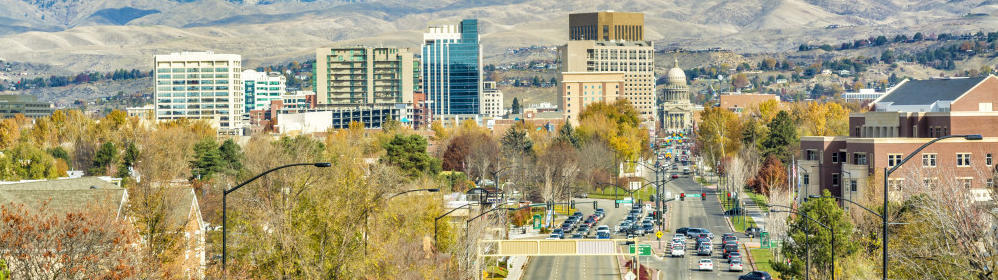
Boise, the capital city of Idaho, is often overlooked but is a hidden gem in the Pacific Northwest. Known for its high quality of life and stunning natural beauty, Boise is perfect for outdoor enthusiasts and those seeking a tight-knit community.
Highlights
Outdoor Activities: Boise offers access to countless outdoor activities, including hiking, biking, and skiing. The Boise River Greenbelt is a 25-mile stretch of parks and paths perfect for walking and cycling.
Cultural Scene: The city has a burgeoning arts scene with the Boise Art Museum and numerous theaters and galleries. The Idaho Shakespeare Festival is a beloved local tradition.
Economic Growth: Boise is experiencing rapid economic growth, particularly in the tech sector, making it an attractive destination for professionals.
2. Asheville, NC
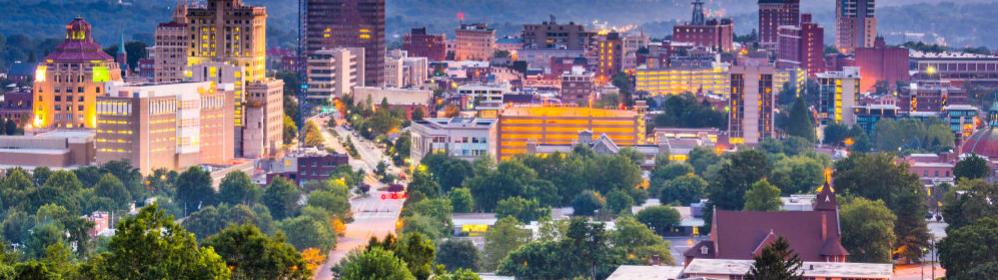
Asheville is a vibrant city nestled in the Blue Ridge Mountains of North Carolina. Known for its eclectic arts scene and historic architecture, Asheville offers a unique blend of cultural richness and natural beauty.
Highlights
Art and Music: Asheville’s River Arts District is home to numerous artists’ studios and galleries. The city also boasts a thriving music scene, with frequent live performances and festivals.
Historic Charm: The Biltmore Estate, America’s largest home, is located in Asheville and attracts visitors with its grandeur and beautifully maintained gardens.
Craft Breweries: With more breweries per capita than any U.S. city, Asheville is a haven for craft beer enthusiasts.
3. Louisville, KY
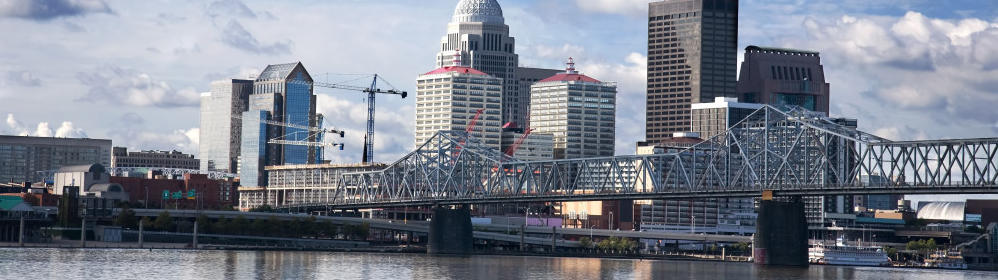
Louisville is often associated with the Kentucky Derby, but this city has much more to offer. It’s a vibrant community with a rich cultural heritage and a burgeoning food scene.
Highlights
Cultural Attractions: The Muhammad Ali Center and the Louisville Slugger Museum & Factory are must-visit spots that celebrate the city’s iconic figures.
Culinary Scene: Louisville’s food scene is gaining national recognition, particularly for its bourbon-infused cuisine and farm-to-table restaurants.
Festivals: Beyond the Kentucky Derby, Louisville hosts numerous festivals, including the Forecastle Festival, which blends music, art, and environmental activism.
4. Madison, WI
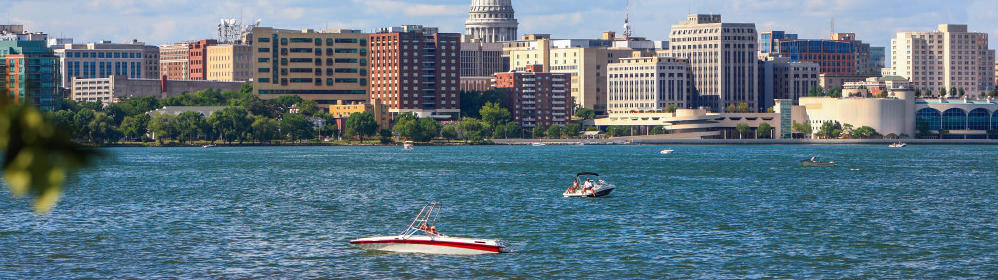
Madison, the state capital of Wisconsin, is a lively city known for its beautiful lakes, vibrant arts scene, and top-ranked educational institutions.
Highlights
Education: Home to the University of Wisconsin-Madison, the city boasts a youthful, intellectual vibe with numerous cultural and sporting events tied to the university.
Outdoor Recreation: Madison is surrounded by five lakes, offering plenty of opportunities for boating, fishing, and water sports. The city also has an extensive network of bike paths.
Farmers’ Markets: The Dane County Farmers’ Market is one of the largest and most renowned in the country, featuring local produce, artisan goods, and live music.
5. Richmond, VA
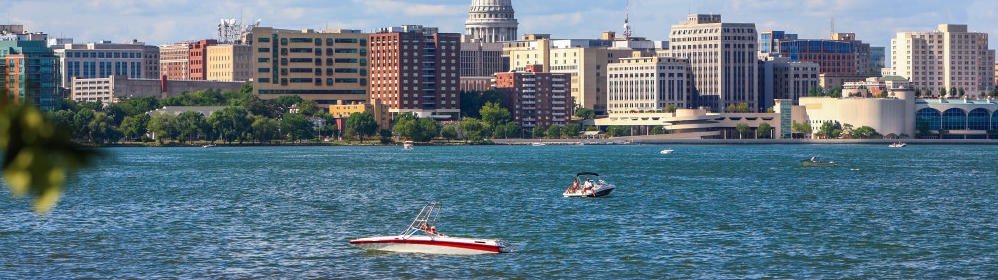
Richmond is a city steeped in history, with a vibrant modern culture that seamlessly blends the past with the present.
Highlights
Historical Significance: As one of the oldest major cities in the U.S., Richmond is rich in American history. Visit sites like the Virginia State Capitol, the American Civil War Museum, and the historic neighborhoods of Church Hill and Shockoe Bottom.
Art and Culture: The Virginia Museum of Fine Arts is one of the largest art museums in North America. The city also has a thriving theater scene and numerous festivals throughout the year.
Outdoor Activities: The James River offers opportunities for white-water rafting, kayaking, and hiking along its scenic trails.
6. Grand Rapids, MI
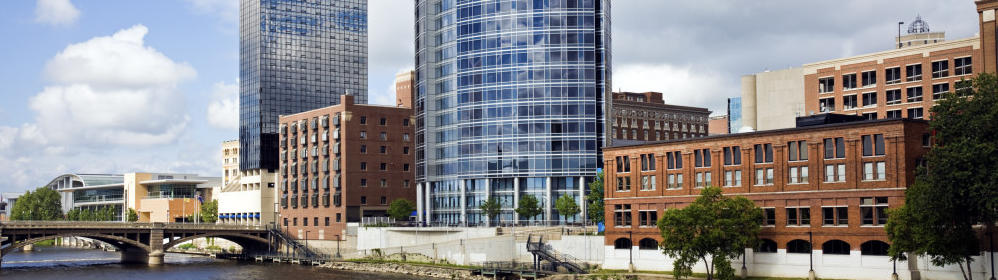
Grand Rapids is often overshadowed by Detroit, but this city is a vibrant hub of art, food, and outdoor activities.
Highlights
Art Scene: Grand Rapids is known for ArtPrize, an annual art competition that transforms the city into a massive gallery. The Frederik Meijer Gardens & Sculpture Park is another must-visit.
Craft Beer: Dubbed "Beer City USA," Grand Rapids is home to many acclaimed craft breweries, including Founders Brewing Co. and Brewery Vivant.
Family-Friendly: The John Ball Zoo and the Grand Rapids Children’s Museum make this city an excellent choice for families.
7. Albuquerque, NM
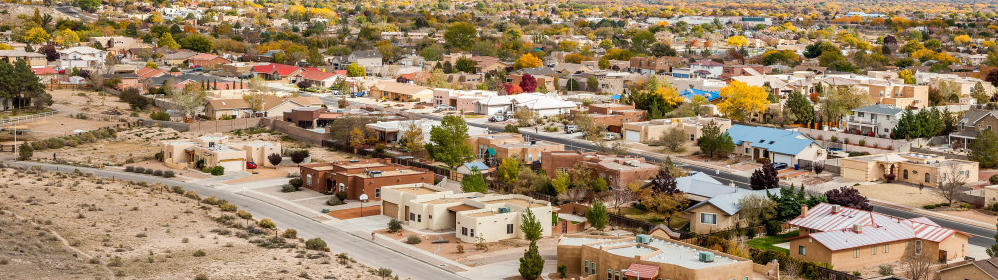
Albuquerque offers a unique blend of Southwestern culture, stunning landscapes, and rich history.
Highlights
Cultural Heritage: The city’s Old Town is a treasure trove of historic buildings, museums, and galleries. The Indian Pueblo Cultural Center celebrates the area’s Native American heritage.
Balloon Fiesta: The Albuquerque International Balloon Fiesta is the largest hot air balloon festival in the world, drawing thousands of visitors each year.
Natural Beauty: Albuquerque’s location at the base of the Sandia Mountains offers incredible hiking and biking opportunities, and the Rio Grande provides a beautiful setting for outdoor activities.
8. Des Moines, IA
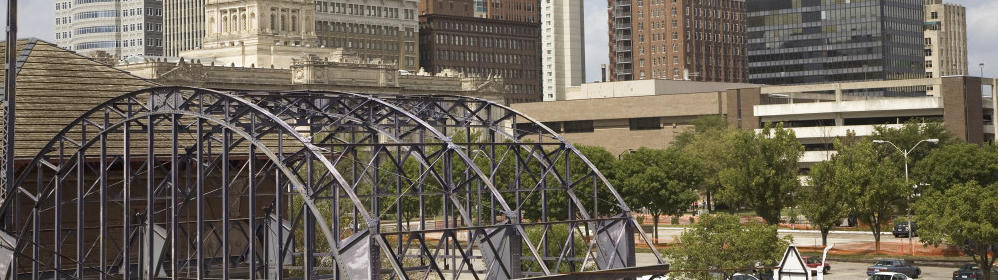
Des Moines may not be the first city that comes to mind for most people, but it offers a high quality of life and a burgeoning arts and food scene.
Highlights
Economic Opportunity: Des Moines is a major center for the insurance industry and has a strong job market, making it an attractive place for professionals.
Arts and Culture: The Des Moines Art Center and the Pappajohn Sculpture Park are highlights of the city’s cultural offerings. The city also hosts the annual Des Moines Arts Festival.
Affordability: One of Des Moines’ biggest draws is its affordability. The cost of living is relatively low, and housing is much more affordable compared to larger cities.
9. Providence, RI
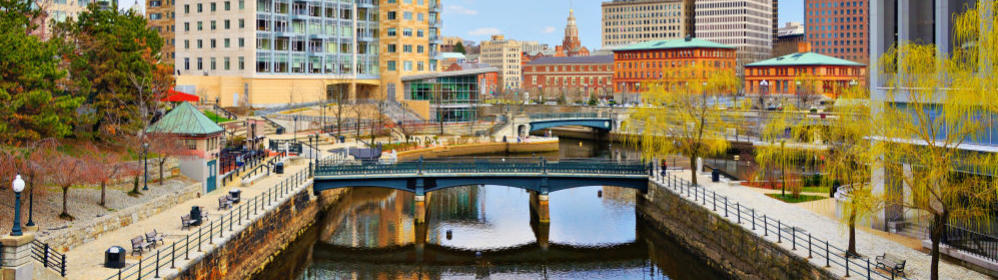
Providence, the capital of Rhode Island, is a charming city with a rich history, vibrant arts scene, and top-tier educational institutions.
Highlights
Historical Charm: Providence is one of the oldest cities in the U.S., with a wealth of historical sites, including Benefit Street’s “Mile of History.”
Educational Hub: Home to Brown University and the Rhode Island School of Design (RISD), Providence has a youthful and intellectual vibe.
Culinary Scene: The city’s culinary scene is diverse and innovative, with many restaurants led by acclaimed chefs. Federal Hill is known for its excellent Italian cuisine.
10. Chattanooga, TN
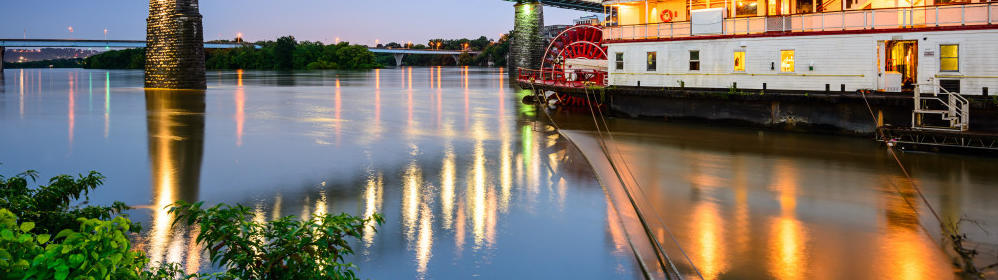
Chattanooga, known as the “Scenic City,” offers a perfect blend of natural beauty and urban amenities.
Highlights
Outdoor Adventure: Chattanooga is a haven for outdoor enthusiasts, offering rock climbing, hiking, and water sports. The Tennessee Riverwalk and Lookout Mountain are popular spots.
Revitalized Downtown: The city’s downtown has undergone significant revitalization, with attractions like the Tennessee Aquarium, Hunter Museum of American Art, and numerous restaurants and shops.
Tech and Innovation: Chattanooga is becoming a tech hub, thanks in part to its high-speed internet infrastructure, attracting startups and tech companies.
The United States is filled with incredible cities that offer diverse experiences and lifestyles. These ten underrated cities provide a mix of cultural richness, economic opportunities, and unique local flavors that are often overlooked. Whether you’re planning a visit or considering a move, these hidden gems are worth exploring for their high livability and vibrant communities.
[post_title] => 10 Most Underrated Cities In the U.S.
[post_excerpt] =>
[post_status] => publish
[comment_status] => closed
[ping_status] => closed
[post_password] =>
[post_name] => 10-most-underrated-cities-usa
[to_ping] =>
[pinged] =>
[post_modified] => 2024-05-27 19:03:25
[post_modified_gmt] => 2024-05-27 19:03:25
[post_content_filtered] =>
[post_parent] => 0
[guid] => https://www.areavibes.com/blogpost/?p=14228
[menu_order] => 0
[post_type] => post
[post_mime_type] =>
[comment_count] => 0
[filter] => raw
)
[1] => WP_Post Object
(
[ID] => 14447
[post_author] => 1
[post_date] => 2024-06-03 17:18:32
[post_date_gmt] => 2024-06-03 17:18:32
[post_content] => 6 U.S. Cities Thriving Despite Challenges
In the landscape of American cities, some urban centers are showing remarkable resilience and growth despite facing significant challenges. Whether dealing with economic shifts, inflation, environmental issues, or social changes, these cities are not just surviving—they are thriving. We will explore several U.S. cities that exemplify resilience and adaptability, demonstrating how strategic planning, community engagement, and innovative solutions can lead to thriving communities even in the face of adversity.
Pittsburgh, PA
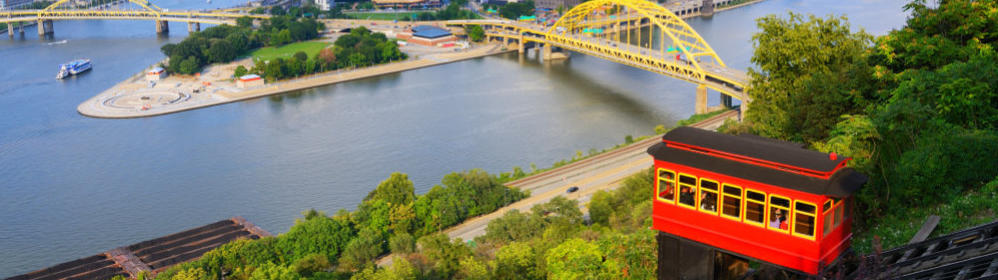
Pittsburgh, historically known for its steel industry, faced a dramatic economic downturn when the industry collapsed in the late 20th century. However, Pittsburgh has since reinvented itself as a hub for technology, education, and healthcare.
The transformation began with a focus on leveraging the city's strong educational institutions, such as Carnegie Mellon University and the University of Pittsburgh. These universities became centers for research and innovation, particularly in fields like robotics, biotechnology, and information technology. The presence of these institutions attracted tech companies and startups, fostering a new, diversified economy.
Pittsburgh’s healthcare sector also experienced significant growth, with the University of Pittsburgh Medical Center (UPMC) becoming a leading healthcare provider and employer. The city invested in developing technology and green initiatives, including the Pittsburgh Technology Council and the Pittsburgh Green Building Alliance, which promoted sustainable building practices and energy efficiency.
Community engagement played a crucial role in Pittsburgh’s revival. Neighborhoods that were once in decline saw revitalization through local initiatives and community-driven projects. Public-private partnerships helped improve infrastructure, transportation, and public spaces, making the city more attractive to residents and businesses alike.
Detroit, MI
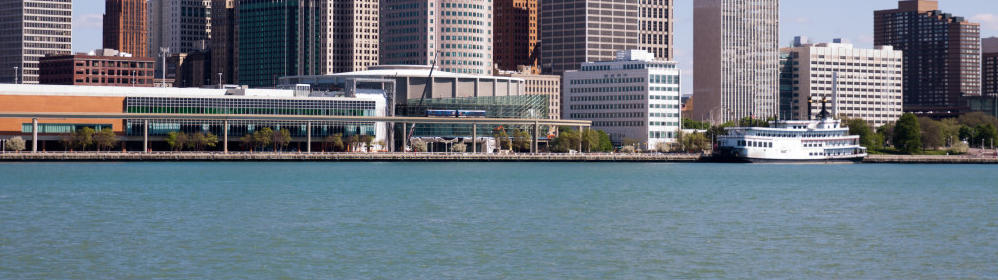
Detroit's story of resilience is one of the most well-known in recent American history. The city, once the thriving heart of the American automotive industry, faced severe economic decline, population loss, and bankruptcy. Despite these challenges, Detroit is experiencing a renaissance driven by innovation, investment, and community spirit.
The revitalization efforts began with a focus on the downtown area, where significant investments were made in real estate and infrastructure. Dan Gilbert, founder of Quicken Loans, played a pivotal role by moving his company’s headquarters to downtown Detroit and investing heavily in the area. His efforts spurred the redevelopment of office spaces, residential properties, and retail establishments, breathing new life into the city center.
Detroit’s entrepreneurial spirit also fueled its recovery. The city has become a magnet for startups and tech companies, attracted by affordable real estate and a growing network of support services, including business incubators and accelerators. TechTown Detroit and the Detroit Creative Corridor Center are examples of organizations that support local entrepreneurs and innovators.
In addition to economic investments, community initiatives have been critical. Grassroots organizations and local leaders have worked tirelessly to improve neighborhoods, support education, and provide essential services. Programs aimed at reducing blight, increasing homeownership, and enhancing public safety have contributed to a renewed sense of community and optimism.
New Orleans, LA
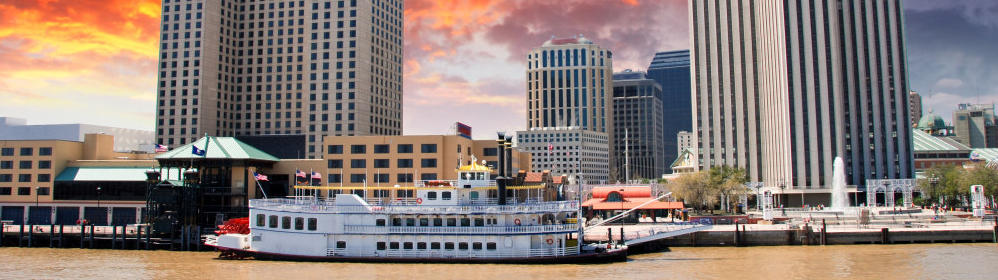
New Orleans, a city known for its vibrant culture and rich history, faced unprecedented challenges following Hurricane Katrina in 2005. The disaster left much of the city underwater, displaced thousands of residents, and caused widespread destruction. Yet, in the years since, New Orleans has demonstrated extraordinary resilience and a commitment to rebuilding stronger than before.
Rebuilding efforts focused on both infrastructure and community. The federal government, along with state and local agencies, invested billions in rebuilding levees, improving drainage systems, and enhancing flood protection. These efforts aimed to make the city more resilient to future storms and flooding.
Economic diversification has been a key strategy in New Orleans' recovery. While tourism remains a vital part of the economy, the city has also invested in other sectors such as technology, healthcare, and education. The presence of organizations like the New Orleans BioInnovation Center and the Propeller Incubator supports startups and entrepreneurs, fostering innovation and economic growth.
Community engagement has been at the heart of New Orleans' revival. Local organizations, non-profits, and community leaders have played a pivotal role in rebuilding neighborhoods, supporting displaced residents, and preserving the city’s unique cultural heritage. Initiatives such as Make It Right, founded by actor Brad Pitt, focused on constructing sustainable, affordable homes in the Lower Ninth Ward, one of the areas hardest hit by the hurricane.
Tulsa, OK
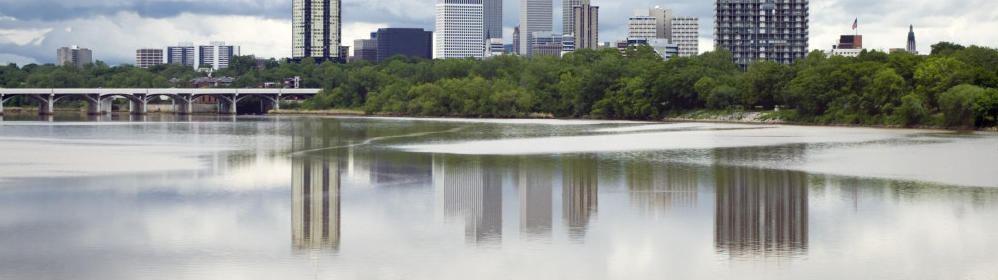
Tulsa, Oklahoma, historically known for its oil industry, has faced economic fluctuations over the years. However, Tulsa has successfully diversified its economy and invested in quality of life improvements, making it an attractive place to live and work.
The city’s leadership recognized the need to reduce dependence on the oil industry and began promoting other sectors such as aerospace, healthcare, and technology. The presence of major employers like American Airlines and Saint Francis Health System has contributed to economic stability and job growth.
Tulsa has also made significant investments in education and workforce development. Institutions like the University of Tulsa and Tulsa Community College offer programs that align with the needs of local industries, ensuring a skilled workforce for the future. The Tulsa Remote program, which offers financial incentives for remote workers to relocate to Tulsa, has been successful in attracting new residents and talent to the city.
Quality of life improvements have been a major focus for Tulsa. The city has invested in public parks, recreational facilities, and cultural amenities. The Gathering Place, a world-class park along the Arkansas River, has become a popular destination for residents and tourists alike, offering a wide range of activities and events.
Chattanooga, TN
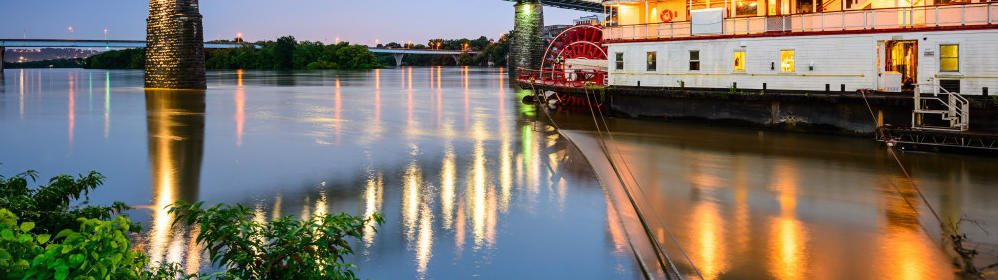
Chattanooga, once a declining industrial city, has transformed itself into a thriving tech hub and outdoor destination. The city’s turnaround began with a focus on improving infrastructure and quality of life.
One of Chattanooga’s most notable achievements is the development of its high-speed internet network, known as the “Gig City” initiative. In 2010, Chattanooga became the first city in the U.S. to offer gigabit-speed internet to its residents and businesses. This investment in digital infrastructure attracted tech companies and startups, fostering a vibrant innovation ecosystem.
Chattanooga has also leveraged its natural beauty to promote outdoor activities and tourism. The city is surrounded by mountains and rivers, offering opportunities for hiking, biking, climbing, and water sports. The revitalization of the Tennessee River waterfront and the development of the Chattanooga Riverwalk have enhanced the city’s appeal as an outdoor destination.
Community engagement and public-private partnerships have played a crucial role in Chattanooga’s success. The city has worked with local businesses, non-profits, and residents to address challenges and create a vision for the future. The Enterprise Center and the Chattanooga Area Chamber of Commerce are examples of organizations that support economic development and community initiatives.
Kansas City, MO
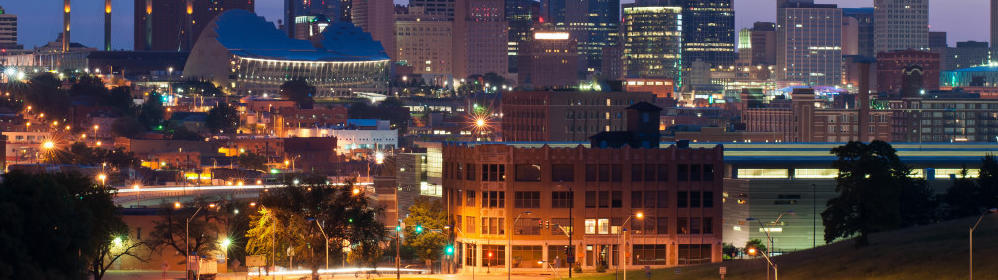
Kansas City, Missouri, has faced economic challenges over the years, but the city has successfully reinvented itself as a hub for innovation, culture, and entrepreneurship. The city’s diverse economy, strategic investments, and strong sense of community have contributed to its resurgence.
Kansas City’s tech sector has seen significant growth, with the presence of major companies like Cerner Corporation and Garmin International. The city’s investment in Google Fiber, one of the first cities to receive the high-speed internet service, has also attracted tech startups and entrepreneurs.
The city’s arts and cultural scene is thriving, with institutions like the Nelson-Atkins Museum of Art, the Kauffman Center for the Performing Arts, and the Crossroads Arts District. These cultural amenities enhance the quality of life for residents and attract visitors from around the country.
Kansas City has also focused on improving infrastructure and public spaces. The development of the streetcar system and the revitalization of downtown areas have made the city more accessible and vibrant. Public-private partnerships have been instrumental in these efforts, fostering collaboration and innovation.
These cities—Pittsburgh, Detroit, New Orleans, Tulsa, Chattanooga, and Kansas City—demonstrate the power of resilience, innovation, and community engagement. Each city has faced significant challenges, from economic decline to natural disasters, but has emerged stronger and more vibrant. Through strategic investments, diversification of their economies, and a commitment to improving quality of life, these cities are thriving despite the obstacles they have encountered. Their stories serve as inspiring examples of how urban centers can adapt, innovate, and prosper in the face of adversity.
[post_title] => 6 Cities Thriving Despite Challenges
[post_excerpt] =>
[post_status] => publish
[comment_status] => closed
[ping_status] => closed
[post_password] =>
[post_name] => 6-cities-thriving-despite-challenges
[to_ping] =>
[pinged] =>
[post_modified] => 2024-06-03 18:34:42
[post_modified_gmt] => 2024-06-03 18:34:42
[post_content_filtered] =>
[post_parent] => 0
[guid] => https://www.areavibes.com/blogpost/?p=14447
[menu_order] => 0
[post_type] => post
[post_mime_type] =>
[comment_count] => 0
[filter] => raw
)
[2] => WP_Post Object
(
[ID] => 15425
[post_author] => 1
[post_date] => 2024-07-31 16:43:29
[post_date_gmt] => 2024-07-31 16:43:29
[post_content] => 6 Cities with the Best Public Art Scenes in the U.S.
Public art enriches urban landscapes, providing both locals and visitors with vibrant expressions of creativity that transform the cityscape. From striking murals to intricate sculptures, the best public art scenes not only enhance the aesthetic appeal of a city but also foster a deeper connection between the community and its environment.
Across the United States, several cities stand out for their dynamic and engaging public art scenes, where creativity meets public space in extraordinary ways. In this article, we’ll explore six cities renowned for their exceptional public art scenes, each offering a unique blend of artistic expression that enhances their urban experience.
Los Angeles, CA: A Canvas of Creativity

Los Angeles, known for its glamorous entertainment industry, also boasts a public art scene that is as diverse and vibrant as the city itself. The city’s commitment to integrating art into public spaces can be seen in its expansive collection of murals, sculptures, and installations that dot neighborhoods from Downtown to Venice Beach.
One of the most iconic elements of LA’s public art scene is the mural culture that flourished in the early 20th century and continues to evolve today. Areas like the Arts District and the historic Olvera Street are renowned for their colorful and thought-provoking murals, which cover everything from social issues to abstract concepts. The city also hosts numerous art festivals and events, such as the LA Art Show and the Downtown LA Art Walk, which highlight local and international artists.
Not to be overlooked are the city’s renowned public art installations. The Getty Center, for example, not only houses a world-class collection of art but also features stunning outdoor sculptures and gardens. Another notable spot is the "Urban Light" installation by Chris Burden at the Los Angeles County Museum of Art (LACMA), a mesmerizing display of restored street lamps that has become a popular photo op and symbol of the city’s artistic vibrancy.
- "Urban Light" by Chris Burden: Located at the Los Angeles County Museum of Art (LACMA), this installation features 202 restored street lamps arranged in a striking grid.
- "The Great Wall of Los Angeles" by Judy Baca: A monumental mural that spans half a mile along the Tujunga Wash, depicting key moments in California’s history.
- "The Horse and Rider" by Robert Graham: Situated at the Los Angeles Memorial Coliseum, this sculpture features a bronze horse and rider and commemorates the city's sports heritage.
New York, NY: The Epicenter of Artistic Expression
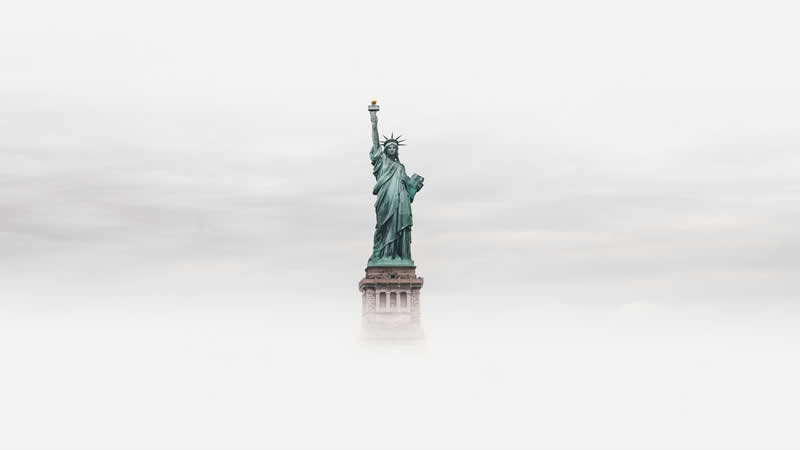
New York City, often regarded as the cultural capital of the world, is home to an unparalleled public art scene that reflects its status as a global hub of artistic innovation. The city’s streets and public spaces are adorned with an eclectic array of art forms, from grand sculptures to intricate mosaics and graffiti.
Central Park serves as a prime example of the city’s integration of art into public spaces, with works by renowned artists like Alice Aycock and Jacob Lawrence scattered throughout its expansive grounds. Additionally, the High Line, an elevated park built on a historic freight rail line, features site-specific artworks that complement its unique architectural and natural environment. The public art installations on the High Line are constantly changing, offering visitors a fresh experience with each visit.
New York’s commitment to public art is also evident in its numerous art festivals and events. The annual "Art in the Parks" program, managed by the City of New York’s Department of Parks and Recreation, showcases temporary art installations across the city’s parks. The city’s vibrant street art scene is centered in neighborhoods like Bushwick in Brooklyn, where large-scale murals and graffiti art add a dynamic and ever-changing layer to the urban landscape.
- "LOVE" by Robert Indiana: An iconic sculpture located in Rockefeller Center, symbolizing the city's welcoming spirit with its bold, red letters.
- "The High Line Art Installations": A series of changing art pieces along the High Line, including works by artists like Sarah Sze and Keith Haring.
- "The Charging Bull" by Arturo Di Modica: A powerful bronze statue located in Bowling Green Park, symbolizing strength and resilience in the financial district.
Philadelphia, PA: History Meets Modern Art
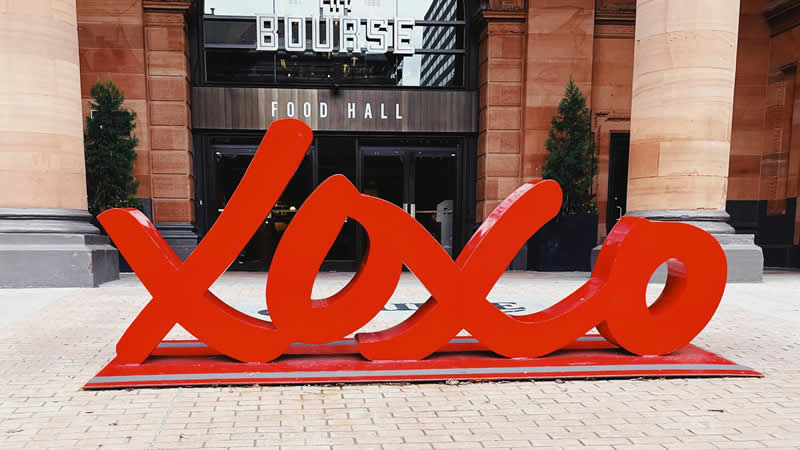
Philadelphia, known for its rich history and cultural heritage, seamlessly blends historical significance with contemporary artistic expression in its public art scene. The city’s commitment to public art is reflected in its numerous monuments, sculptures, and murals that celebrate both its past and present.
One of Philadelphia’s most iconic public art pieces is the "LOVE" sculpture by Robert Indiana, which has become a symbol of the city’s welcoming spirit. Located in John F. Kennedy Plaza, this sculpture draws visitors from around the world and is a testament to Philadelphia’s enduring appeal. The city is also home to the Philadelphia Museum of Art, which not only houses an impressive collection of art but also features outdoor sculptures that enhance the surrounding landscape.
Philadelphia’s mural program, led by the Mural Arts Philadelphia organization, is one of the largest and most successful of its kind in the country. This initiative has resulted in over 4,000 murals throughout the city, transforming walls and buildings into canvases that reflect the community’s diverse cultural heritage and artistic talent. The murals address a wide range of themes, from social justice to local history, creating a vibrant and inclusive art scene that is deeply embedded in the city’s fabric.
- "LOVE" by Robert Indiana: The famous sculpture located in John F. Kennedy Plaza, a symbol of the city’s affection and artistic legacy.
- "The Spirit of Philadelphia" by John R. Weidman: A historic statue that represents the city’s spirit and is located in the center of the city.
- "The Mural Arts Philadelphia Collection": Over 4,000 murals throughout the city, including the notable "Philadelphia Tribute to Jazz" mural.
Austin, TX: Where Art and Music Collide
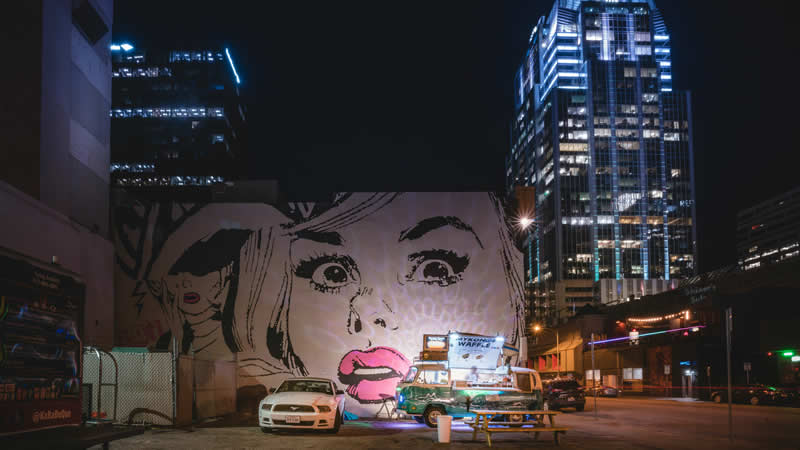
Austin, Texas, a city renowned for its live music scene, also boasts a thriving public art scene that reflects its creative spirit and cultural diversity. The city’s commitment to integrating art into public spaces is evident in its colorful murals, innovative sculptures, and engaging installations.
The "Greetings from Austin" mural, located on the side of a building on South 1st Street, is one of the city’s most famous public art pieces. This vibrant mural, featuring retro-style lettering and iconic imagery, has become a beloved symbol of Austin’s unique character and artistic flair. Austin’s public art scene is further enhanced by the numerous art festivals and events held throughout the year, such as the South by Southwest (SXSW) festival, which celebrates not only music but also visual arts and interactive media.
The city’s public art installations are scattered throughout its neighborhoods, with notable examples including the "Hope Outdoor Gallery," an evolving graffiti park that serves as a platform for street artists to showcase their work. Additionally, the Texas Capitol grounds feature several sculptures and monuments that celebrate the state’s history and culture, adding to the city’s rich tapestry of public art.
- "Greetings from Austin" Mural: A vibrant and retro-style mural located on South 1st Street, celebrating Austin’s unique identity.
- "Hope Outdoor Gallery": An evolving graffiti park where street artists can showcase their work, creating a dynamic and ever-changing display.
- "The Texas State Capitol Grounds Sculptures": Several sculptures and monuments celebrating Texas history, including works by artists such as Eliel Saarinen.
Seattle, WA: An Artistic Oasis in the Pacific Northwest

Seattle, Washington, is renowned for its innovative and diverse public art scene, which reflects the city’s dynamic cultural landscape and commitment to artistic expression. The city’s public art program, managed by the Office of Arts & Culture, supports a wide range of art forms, including sculptures, murals, and installations.
Seattle’s public art installations are thoughtfully integrated into the city’s urban environment, enhancing public spaces and contributing to the overall aesthetic appeal. The "Seattle’s Public Art Collection" features works by local and national artists, including notable pieces such as the "Hammering Man" sculpture at the Seattle Art Museum, which stands as a symbol of the city’s industrious spirit. The city’s waterfront area is also home to several public art installations, including the "Seattle Great Wheel," a Ferris wheel that offers stunning views of the city and features colorful lighting displays.
The city’s commitment to public art is further demonstrated through initiatives like the "Art Walk" program, which encourages residents and visitors to explore art galleries, installations, and exhibitions throughout the city. Seattle’s neighborhoods, such as Capitol Hill and Belltown, are known for their vibrant street art scenes, where murals and graffiti art add a dynamic and ever-changing layer to the urban landscape.
- "Hammering Man" by Jonathan Borofsky: A large kinetic sculpture outside the Seattle Art Museum, symbolizing the city’s industrious spirit.
- "The Seattle Great Wheel": A Ferris wheel on the waterfront that features colorful lighting displays and offers panoramic views of the city.
- "Seattle’s Public Art Collection": Includes works like the "Seattle Tunnel Project" artworks, integrated into the city’s infrastructure.
San Francisco, CA: Innovation and Creativity in the Bay Area
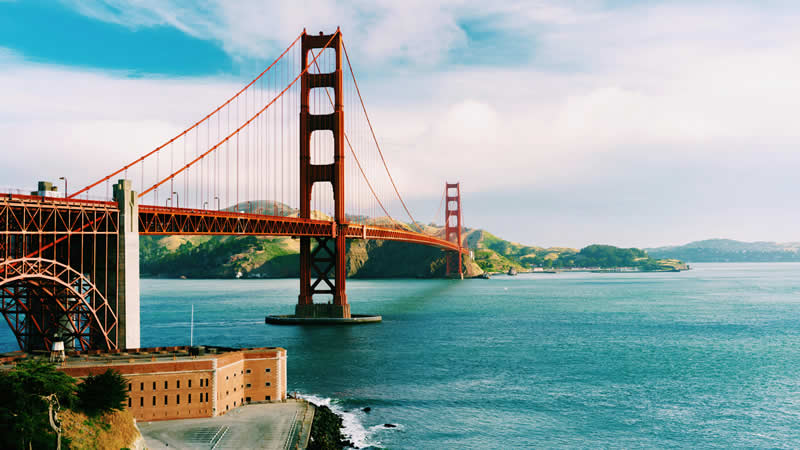
San Francisco, California, is celebrated for its stunning public art scene, which reflects the city’s rich cultural heritage and innovative spirit. The city’s commitment to integrating art into public spaces is evident in its diverse collection of murals, sculptures, and installations that enhance its urban environment.
One of the most iconic public art pieces in San Francisco is the "The Wave" sculpture by artist Ruth Asawa, located at the de Young Museum in Golden Gate Park. This intricate and dynamic sculpture, made of wire, captures the city’s artistic innovation and commitment to creative expression. Another notable example is the "Chinatown Mural Project," a series of murals that celebrate the cultural heritage of San Francisco’s historic Chinatown neighborhood.
San Francisco’s public art scene is also characterized by its numerous art festivals and events, such as the "San Francisco Art Commission’s Public Art Program," which supports temporary and permanent art installations throughout the city. The city’s commitment to public art is further demonstrated through initiatives like the "Art in Public Places" program, which enhances public spaces with works that reflect the community’s diverse cultural and artistic interests.
- "The Wave" by Ruth Asawa: An intricate and dynamic wire sculpture located at the de Young Museum in Golden Gate Park.
- "Chinatown Mural Project": A series of murals in San Francisco’s Chinatown celebrating the neighborhood’s cultural heritage.
- "The 7-Up Sculpture" by Claes Oldenburg: Located in Union Square, this large-scale sculpture of a soft drink can reflects the city’s artistic innovation.
Public art plays a vital role in shaping the character and identity of a city, offering residents and visitors alike an opportunity to engage with creativity in their everyday lives. Cities like Los Angeles, New York City, Philadelphia, Austin, Seattle, and San Francisco stand out for their exceptional public art scenes, each offering a unique blend of artistic expression that enhances their urban landscapes. Whether it’s the vibrant murals of Los Angeles, the iconic sculptures of Philadelphia, or the innovative installations of San Francisco, these cities demonstrate that public art is more than just decoration—it’s a reflection of a community’s creativity, culture, and commitment to enhancing public spaces. For those seeking to explore the intersection of art and urban life, these six cities provide a rich and engaging canvas that celebrates the power of public art to transform and inspire.
[post_title] => 6 Cities with the Best Public Art Scenes In the U.S. [post_excerpt] => [post_status] => publish [comment_status] => closed [ping_status] => closed [post_password] => [post_name] => cities-with-best-art-scene [to_ping] => [pinged] => [post_modified] => 2024-08-02 01:29:54 [post_modified_gmt] => 2024-08-02 01:29:54 [post_content_filtered] => [post_parent] => 0 [guid] => https://www.areavibes.com/blogpost/?p=15425 [menu_order] => 0 [post_type] => post [post_mime_type] => [comment_count] => 0 [filter] => raw ) [3] => WP_Post Object ( [ID] => 15251 [post_author] => 1 [post_date] => 2024-07-24 17:36:00 [post_date_gmt] => 2024-07-24 17:36:00 [post_content] =>6 Underrated Small Cities with High Livability
In a world where iconic cities like New York, Los Angeles, and Chicago often capture the spotlight, it's easy to miss the allure of lesser-known urban gems. These underrated cities may not boast the same level of fame, but they offer an impressive quality of life that rivals their larger counterparts. With unique features that include affordability, safety, and a rich cultural scene, these hidden treasures provide a compelling alternative to the hustle and bustle of major metropolitan areas.
Far from the crowded streets and high living costs of big cities, these locales deliver a blend of natural beauty, vibrant community life and exceptional livability. Each city on our list stands out for its own reasons, whether it's the charm of historic neighborhoods, the appeal of outdoor recreational opportunities, or the warmth of a close-knit community. Let's take a look at six cities (in no particular order) that embody exceptional livability while offering a refreshing departure from the conventional urban experience.
Charleston, WV
Livability Score: 82/100 | Population: 47,273
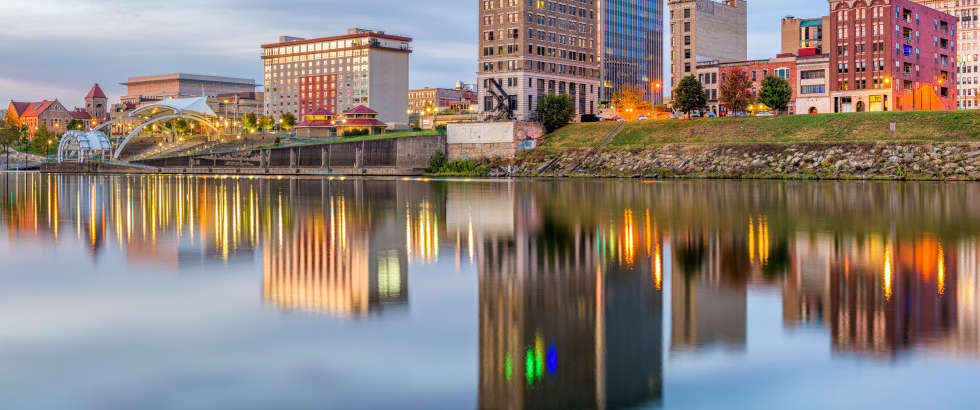
Nestled in the heart of the Appalachian Mountains, Charleston, West Virginia, is a city that seamlessly combines historic charm with modern convenience. Often overlooked in favor of larger cities, Charleston offers a surprisingly high quality of life. The city’s picturesque downtown area is dotted with historic architecture, including beautifully restored buildings and charming homes. This historic backdrop is complemented by a range of modern amenities and services.
Charleston is known for its strong sense of community and local pride. The city’s cultural scene is vibrant, with numerous events, festivals, and arts performances throughout the year. The annual Charleston Sternwheel Regatta, for instance, celebrates the city’s history with a range of activities on the Kanawha River. Additionally, Charleston's local food scene features a variety of dining options, from cozy cafes to upscale restaurants, showcasing the region's culinary diversity.
Housing in Charleston is notably affordable compared to many other cities, offering residents a range of options from historic homes to modern apartments. The city’s low crime rate and strong community bonds make it an attractive option for families and individuals seeking a safe, welcoming environment. Furthermore, Charleston’s location provides easy access to outdoor recreational activities, including hiking and fishing in the nearby Appalachian wilderness.
Madison, WI
Livability Score: 82/100 | Population: 258,366
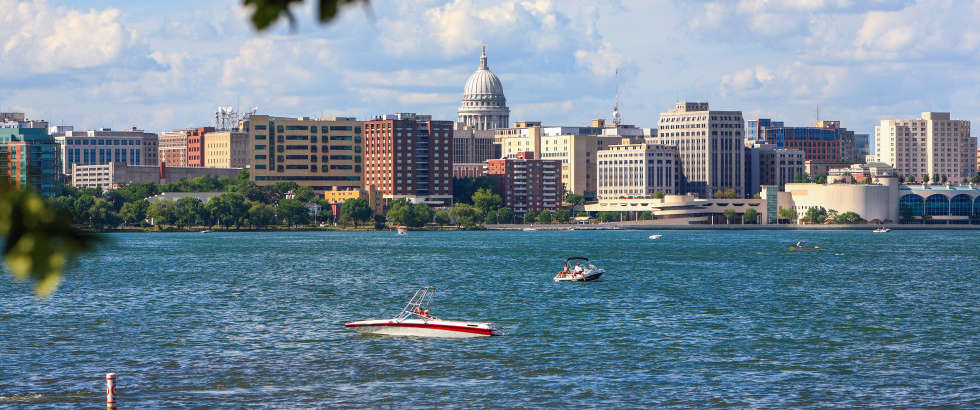
Madison, Wisconsin, is a city that often flies under the radar but offers a remarkable quality of life for its residents. As the state capital and home to the University of Wisconsin-Madison, the city benefits from a vibrant cultural scene and a strong emphasis on education. Madison’s picturesque setting on the shores of Lake Mendota adds to its appeal, providing ample opportunities for outdoor activities and scenic beauty.
The city’s commitment to education is evident in its numerous educational institutions and cultural events. The University of Wisconsin-Madison contributes to the city’s dynamic atmosphere, with a range of cultural events, sports activities, and community programs. Madison’s local economy is bolstered by a mix of government, education, and technology sectors, offering diverse job opportunities.
Housing in Madison is relatively affordable, with a variety of options to suit different preferences and budgets. The city’s neighborhoods are known for their charm and character, ranging from historic homes to modern developments. Madison’s commitment to sustainability and green living is evident in its extensive network of bike paths, parks, and community gardens. Residents enjoy a high standard of living with access to excellent healthcare, low crime rates, and a strong sense of community.
Boise, ID
Livability Score: 84/100 | Population: 228,057
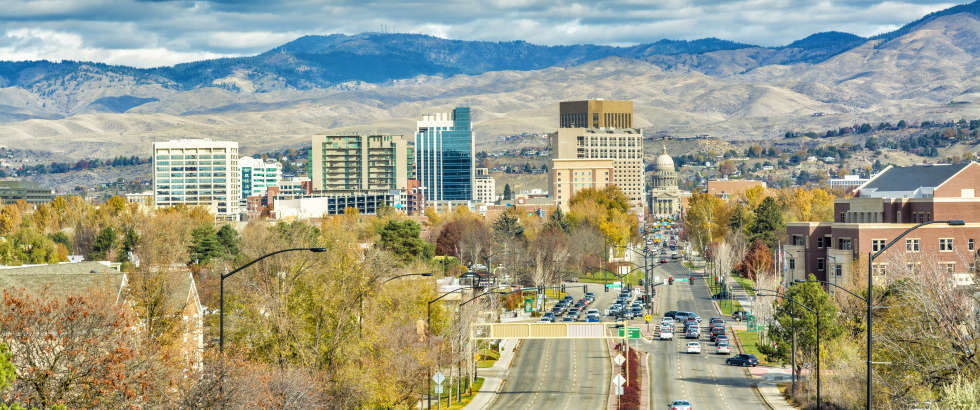
Boise, Idaho, has been gaining recognition for its unique blend of urban amenities and outdoor adventure opportunities. Often overshadowed by larger cities, Boise offers a refreshing alternative with its combination of affordability, safety, and vibrant local culture. The city’s proximity to natural attractions, including the Boise River and the nearby foothills, provides residents with ample opportunities for outdoor recreation.
Boise’s downtown area is a lively hub with a range of dining, shopping, and entertainment options. The city’s local culture is rich and diverse, with numerous festivals, farmer’s markets, and cultural events taking place throughout the year. Boise is also home to a growing tech scene, which contributes to its dynamic economy and job market.
Housing in Boise is affordable compared to national averages, with a variety of options available in both urban and suburban settings. The city’s low crime rate and strong community spirit make it a desirable place for families and individuals alike. Boise’s commitment to sustainability is reflected in its green spaces and initiatives aimed at promoting environmental stewardship. With its unique blend of urban and outdoor living, Boise offers a high quality of life for those seeking balance and adventure.
Fort Collins, CO
Livability Score: 81/100 | Population: 166,069
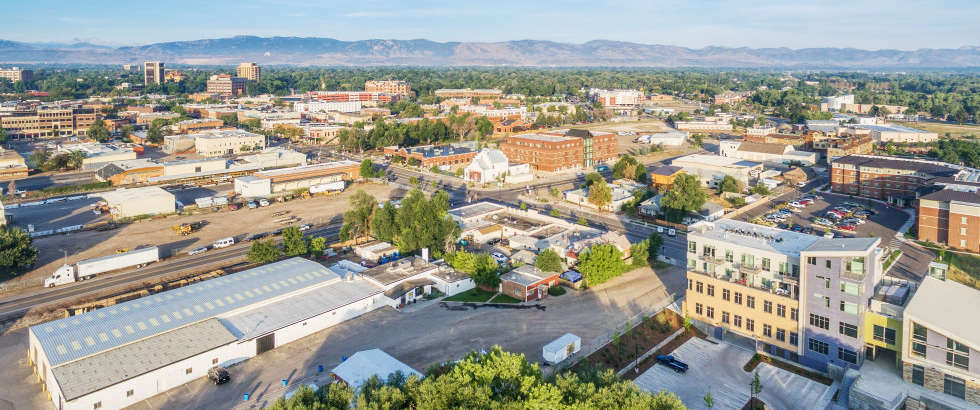
Fort Collins, Colorado, is a city that combines a small-town feel with the benefits of a larger urban center. Located at the foothills of the Rocky Mountains, Fort Collins is known for its outdoor recreational opportunities, commitment to sustainability, and thriving local culture. The city’s proximity to the Rockies provides residents with easy access to hiking, skiing, and other outdoor activities, enhancing the overall quality of life.
Fort Collins is also recognized for its innovative spirit, with a strong focus on technology and sustainability. The presence of Colorado State University contributes to the city’s youthful energy and dynamic cultural scene. The local economy benefits from a mix of tech startups, research institutions, and established businesses.
Housing in Fort Collins is reasonably priced, with a range of options available to suit different preferences and budgets. The city’s commitment to green living is evident in its extensive recycling programs and efforts to promote sustainable practices. Fort Collins’ vibrant cultural scene includes local theaters, music venues, and community events, providing residents with a rich array of activities and entertainment options.
Greenville, SC
Livability Score: 82/100 | Population: 69,648
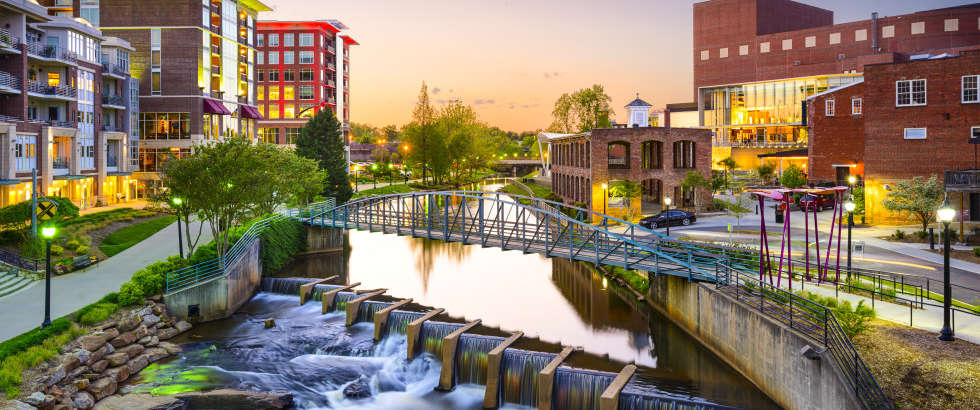
Greenville, South Carolina, is a city that has undergone a remarkable transformation in recent years, emerging as a vibrant urban center with a strong sense of community. Once known for its industrial roots, Greenville now boasts a revitalized downtown area with beautifully restored historic buildings, a diverse culinary scene, and numerous cultural events.
The city’s emphasis on local businesses and sustainability is reflected in its thriving restaurant scene and commitment to preserving green spaces. Greenville’s low crime rate and excellent schools make it an appealing option for families and young professionals alike. The city’s outdoor amenities include parks, trails, and recreational facilities, offering residents ample opportunities for leisure and exercise.
Housing in Greenville is affordable compared to many other cities, with a range of options available in both urban and suburban settings. The city’s strong sense of community and commitment to local living enhance its overall livability. Greenville’s revitalized downtown, combined with its low cost of living and high quality of life, makes it a standout choice for those seeking a balance between urban and suburban living.
Richmond, VA
Livability Score: 84/100 | Population: 229,233
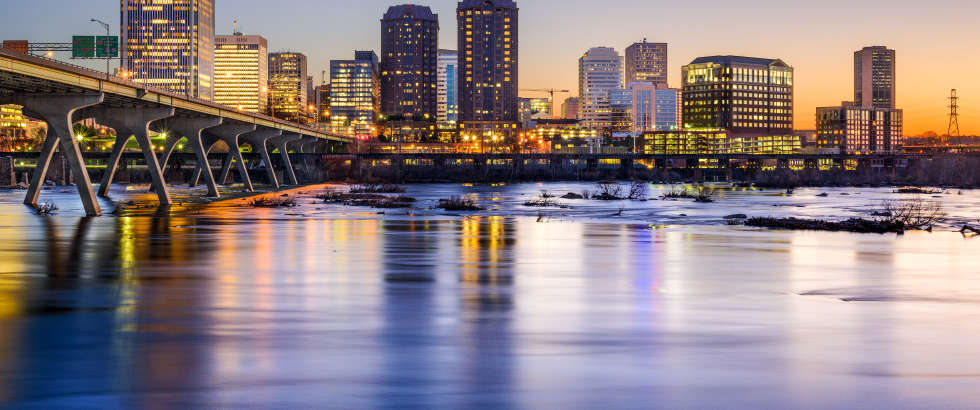
Richmond, Virginia, is a city that offers a unique blend of historic appeal and modern vibrancy. As the capital of Virginia, Richmond boasts a rich history that is evident in its well-preserved historic districts, including Church Hill and the Fan District. The city’s cultural scene is dynamic, with numerous museums, theaters, and music venues showcasing its artistic heritage.
Richmond’s local economy benefits from a diverse mix of industries, including finance, healthcare, and education. The city’s affordable housing market is a significant draw for new residents, offering a range of options from historic homes to modern apartments. Richmond’s low crime rate and strong sense of community contribute to its high livability.
The city’s commitment to green living is evident in its extensive network of parks, trails, and recreational facilities. The James River, which runs through the city, provides opportunities for outdoor activities such as kayaking, fishing, and hiking. Richmond’s vibrant cultural scene, combined with its historic charm and modern amenities, makes it a compelling choice for those seeking a high quality of life.
While major metropolitan areas often dominate discussions about urban living, these six hidden gems—Charleston, Madison, Boise, Fort Collins, Greenville, and Richmond—demonstrate that exceptional livability can be found in cities that may not be on everyone’s radar. Each of these underrated cities offers a unique blend of affordability, safety, and community spirit, making them outstanding places to call home. From historic charm and vibrant culture to outdoor adventures and innovative living, these cities provide a high standard of living while avoiding the pitfalls of larger urban centers. Embrace the opportunity to explore these hidden gems and discover the exceptional quality of life they offer. Whether you’re seeking a picturesque setting, a dynamic cultural scene, or a strong sense of community, these cities have something special to offer.
[post_title] => 6 Hidden Gems: Smaller Cities with High Livability [post_excerpt] => [post_status] => publish [comment_status] => closed [ping_status] => closed [post_password] => [post_name] => 6-hidden-gems-smaller-cities-with-high-livability [to_ping] => [pinged] => [post_modified] => 2024-07-26 16:47:48 [post_modified_gmt] => 2024-07-26 16:47:48 [post_content_filtered] => [post_parent] => 0 [guid] => https://www.areavibes.com/blogpost/?p=15251 [menu_order] => 0 [post_type] => post [post_mime_type] => [comment_count] => 0 [filter] => raw ) [4] => WP_Post Object ( [ID] => 15729 [post_author] => 1 [post_date] => 2024-09-20 20:04:45 [post_date_gmt] => 2024-09-20 20:04:45 [post_content] =>8 Best Parks in the United States
America is home to some of the most breathtaking landscapes in the world, and the parks scattered across the country highlight its diverse natural beauty. From towering mountain ranges to tranquil coastlines, sprawling forests to vast deserts, the parks in the United States offer an escape from urban life into serene, scenic, and sometimes wild spaces. Whether you're an avid hiker, a wildlife enthusiast, or someone who enjoys peaceful strolls in nature, these parks promise memorable experiences. Here, we’ll explore eight of the best parks in the United States, each with its own unique charm and allure.
Yosemite National Park

Nestled in California's Sierra Nevada mountains, Yosemite National Park is a gem that has captured the hearts of nature lovers for generations. Its iconic landscapes, including the granite cliffs of El Capitan and Half Dome, are awe-inspiring and unforgettable. Yosemite is renowned for its giant sequoias, some of the largest trees in the world, found in the Mariposa Grove. The park also boasts magnificent waterfalls like Yosemite Falls, which cascades dramatically, especially during springtime when the snow melts.
The park’s diverse ecosystem provides a habitat for a wide range of wildlife, including black bears, mule deer, and the elusive bobcat. The vast wilderness of Yosemite makes it a prime spot for hiking, rock climbing, and camping. There’s a trail for every skill level, from easy walks like the Yosemite Valley Loop to the more challenging ascent up to Half Dome. Whether you're drawn by the peaceful meadows, the wildlife, or the challenge of scaling its rocky peaks, Yosemite National Park offers an unforgettable experience for all visitors.
- Location: Central California, in the Sierra Nevada Mountains
- Size: Approximately 748,436 acres (1,169 square miles or 3,028 square kilometers)
Grand Canyon National Park
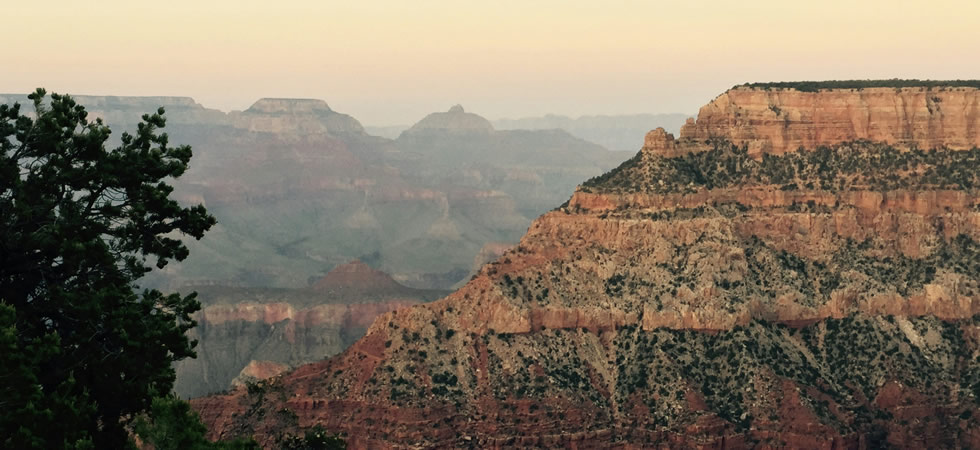
Few sights in the world are as instantly recognizable or as humbling as the Grand Canyon. Carved by the Colorado River over millions of years, this immense canyon in Arizona is one of the most iconic landmarks in the United States. Grand Canyon National Park offers more than just a stunning view; it’s an immersive experience in geology, history, and adventure.
Standing on the edge of the canyon, peering down into its vastness, is a moment that can take your breath away. The canyon stretches over 277 miles long and more than a mile deep, with varying colors that shift with the time of day, giving it an almost otherworldly glow. The South Rim is the most visited area, offering easy access to trails and viewpoints, while the North Rim provides a more secluded and rugged experience.
Visitors to the Grand Canyon can enjoy everything from leisurely walks along the rim to more strenuous hikes into the canyon itself, such as the Bright Angel Trail. For the truly adventurous, rafting trips along the Colorado River offer a unique perspective of the canyon’s depth and beauty. The Grand Canyon also holds significant cultural importance, with ancient rock dwellings and art from the Native American tribes who once called this land home.
- Location: Northern Arizona
- Size: Approximately 1,217,262 acres (1,902 square miles or 4,926 square kilometers)
Yellowstone National Park
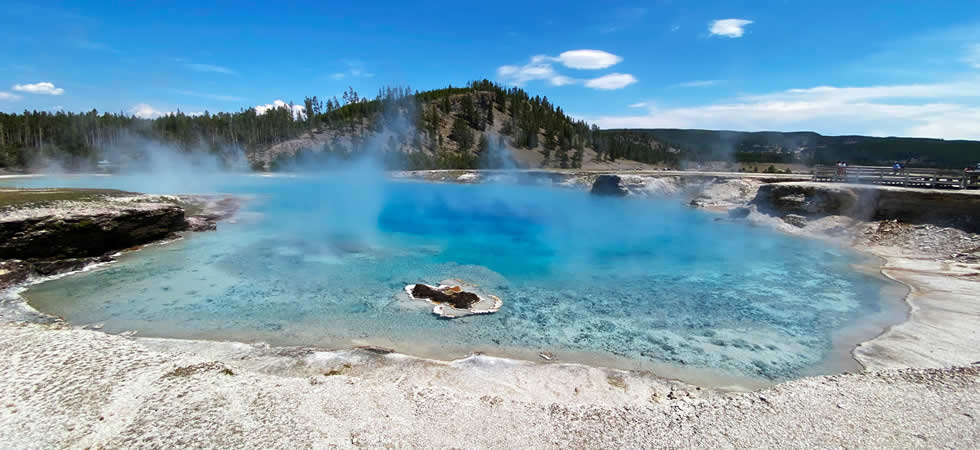
As the first national park in the United States, and arguably the world, Yellowstone National Park holds a special place in the hearts of adventurers and conservationists alike. Spanning parts of Wyoming, Montana, and Idaho, Yellowstone is famous for its geothermal features, wildlife, and stunning landscapes. Old Faithful, one of the park’s most well-known geysers, erupts regularly and is a must-see for any visitor.
The park sits atop a volcanic hotspot, which is responsible for its numerous geothermal attractions. In addition to geysers, visitors will find hot springs, mud pots, and fumaroles. The Grand Prismatic Spring, with its vivid blue, green, and orange colors, is another remarkable feature of Yellowstone’s thermal landscape.
Yellowstone is also a sanctuary for wildlife. Herds of bison, elk, and deer roam freely, while wolves and grizzly bears offer a more thrilling, albeit less commonly seen, glimpse of the wild. The park’s varied terrain includes rivers, lakes, forests, and the striking Yellowstone Canyon. With its rich diversity of natural wonders, Yellowstone is a park where visitors can spend days exploring and still leave with more to see on their next visit.
- Location: Primarily in Wyoming, extending into Montana and Idaho
- Size: Approximately 2,219,791 acres (3,472 square miles or 8,991 square kilometers)
Zion National Park
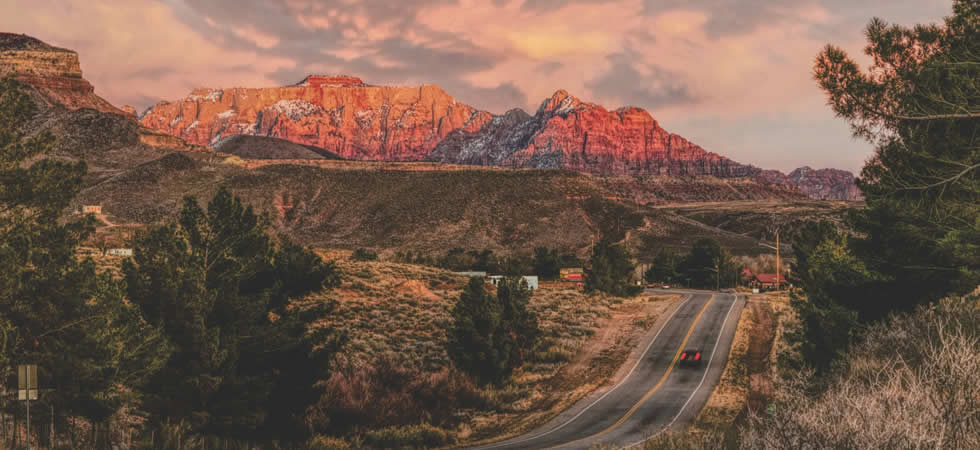
Located in Utah, Zion National Park is known for its steep red cliffs, canyons, and a diversity of plant and animal life that defies the stark desert environment. The beauty of Zion lies in its contrast between towering sandstone cliffs and lush riverbeds, offering visitors an otherworldly landscape filled with vibrant colors and dramatic vistas.
One of the park’s most famous features is The Narrows, a stunning hike through a river gorge where walls rise almost 1,000 feet above the Virgin River. It’s a hike that requires you to wade through the river itself, making it both challenging and exhilarating. Angels Landing is another iconic hike, offering breathtaking views of the canyon below, though it is not for the faint of heart due to its steep and narrow trails.
Zion also offers more accessible paths for those who prefer a less intense experience. The Riverside Walk is an easy, paved trail that provides beautiful views of the Virgin River and surrounding cliffs. With its unique landscapes, Zion National Park provides a perfect blend of adventure and tranquility, offering something for everyone.
- Location: Southwestern Utah
- Size: Approximately 147,242 acres (230 square miles or 595 square kilometers)
Great Smoky Mountains National Park
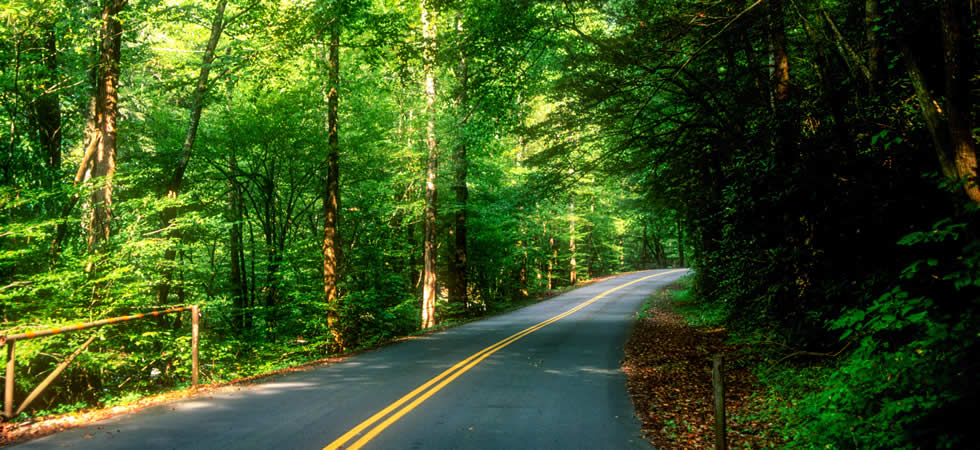
Straddling the border between North Carolina and Tennessee, Great Smoky Mountains National Park is the most visited national park in the United States. Known for its mist-covered peaks, dense forests, and rich biodiversity, the park is a haven for wildlife enthusiasts and hikers alike. The name “Smoky” comes from the natural fog that often hangs over the mountains, which appears as wisps of smoke rising from the valleys.
The park is famous for its variety of plant life, with over 19,000 documented species of flora and fauna. Visitors may encounter black bears, white-tailed deer, and a host of bird species, making it a great destination for nature watching. The park’s numerous trails, such as the Appalachian Trail, provide ample opportunities for both leisurely walks and strenuous hikes. Clingmans Dome, the highest point in the park, offers panoramic views of the surrounding mountains and is accessible by a short, paved path.
Autumn is an especially popular time to visit the Great Smoky Mountains, as the fall foliage transforms the landscape into a sea of vibrant reds, oranges, and yellows. With its breathtaking vistas, abundant wildlife, and historic sites, Great Smoky Mountains National Park offers a quintessential American outdoor experience.
- Location: Border of North Carolina and Tennessee
- Size: Approximately 522,427 acres (816 square miles or 2,114 square kilometers)
Glacier National Park

Glacier National Park, located in Montana, is often referred to as the "Crown of the Continent" due to its pristine wilderness and dramatic landscapes. The park’s name comes from the many glaciers that shaped its valleys and peaks, though only a few active glaciers remain today. Despite this, the rugged beauty of Glacier National Park continues to draw visitors from around the world.
The Going-to-the-Sun Road, a 50-mile highway that cuts through the park, is one of the most scenic drives in the United States. Along the way, visitors will witness waterfalls, glacial lakes, and towering mountain ranges. The park’s hiking trails, such as the Highline Trail, offer even more intimate views of its stunning landscapes, from alpine meadows to dense forests.
Wildlife is abundant in Glacier National Park, with sightings of mountain goats, grizzly bears, and moose being common for those venturing deeper into the park’s wilderness. The park is also a designated International Dark Sky Park, making it an excellent destination for stargazing. Glacier National Park is a reminder of the raw, untamed beauty that still exists in the United States, offering visitors a chance to reconnect with nature in its most unspoiled form.
- Location: Northwestern Montana, bordering Canada
- Size: Approximately 1,013,322 acres (1,583 square miles or 4,101 square kilometers)
Acadia National Park
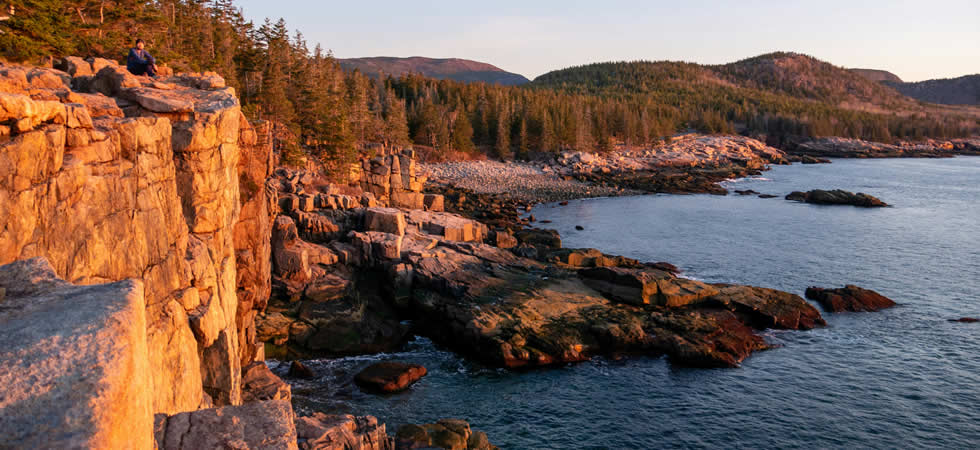
Situated on the coast of Maine, Acadia National Park offers a unique blend of coastal and mountain landscapes, making it one of the most scenic parks in the northeastern United States. Acadia is known for its rocky shorelines, granite peaks, and picturesque forests. The park is home to Cadillac Mountain, the highest point on the East Coast, and one of the first places in the United States to see the sunrise.
Acadia’s diverse landscapes offer something for every outdoor enthusiast. The park’s trails range from easy coastal walks to more challenging climbs up rocky peaks. The Ocean Path Trail, which runs along the rugged shoreline, provides stunning views of the Atlantic Ocean, while the Precipice Trail offers a more adventurous climb up the cliffs of Champlain Mountain.
In addition to hiking, Acadia is a popular destination for biking along its carriage roads, which were designed by John D. Rockefeller Jr. and are closed to motor vehicles. The park’s diverse ecosystems make it a haven for bird watchers, with the chance to spot peregrine falcons, bald eagles, and a variety of seabirds. Acadia National Park offers a serene escape where the sea meets the mountains, providing visitors with a peaceful yet exhilarating experience.
- Location: Coastal Maine, primarily on Mount Desert Island
- Size: Approximately 49,075 acres (76 square miles or 198 square kilometers)
Rocky Mountain National Park
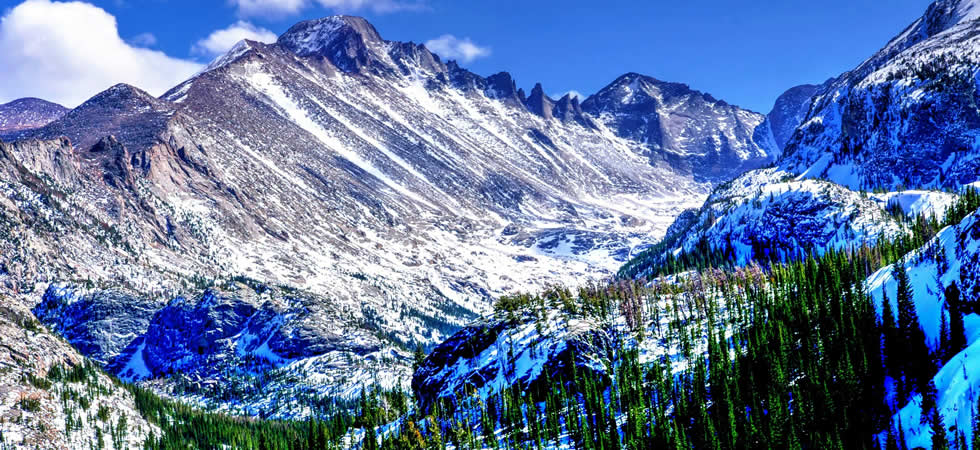
Colorado’s Rocky Mountain National Park is a place of towering peaks, alpine lakes, and vast meadows. With elevations ranging from 7,500 to over 14,000 feet, the park offers a dramatic range of landscapes and ecosystems, from montane forests to alpine tundra. The park’s Trail Ridge Road, which crosses the Continental Divide, is the highest continuous paved road in the United States and offers sweeping views of the surrounding mountains.
Hiking is one of the most popular activities in Rocky Mountain National Park, with over 350 miles of trails to explore. One of the park’s most famous hikes is to the stunning Emerald Lake, a crystal-clear glacial lake nestled among the peaks. For those looking for a more leisurely experience, Bear Lake is a beautiful spot for a short walk with views of the surrounding mountains and forests.
Wildlife is abundant in the park, with frequent sightings of elk, bighorn sheep, and marmots. In the fall, visitors are treated to the sound of bugling elk during the mating season, a unique experience that adds to the park’s charm. With its majestic mountains, rich wildlife, and endless opportunities for outdoor adventure, Rocky Mountain National Park is a destination that embodies the spirit of the American wilderness.
- Location: Northern Colorado
- Size: Approximately 265,461 acres (415 square miles or 1,075 square kilometers)
8 Cities with the Fastest Growing Job Markets
In today's ever-evolving economic landscape, certain U.S. cities stand out as beacons of opportunity, boasting robust job markets that are expanding at an impressive rate. Whether you're a job seeker looking to relocate or simply curious about where the employment hotspots are, this list of the eight fastest growing job markets in the United States is a must-read. Each city offers a unique blend of career opportunities, lifestyle benefits, and economic vitality. Let's dive into these thriving metropolises and discover what makes them the top destinations for job growth.
1. Austin, TX: The Silicon Hills Boom
The Tech Titan of Texas
Austin, Texas, often referred to as "Silicon Hills," has become a powerhouse in the tech industry. The city is home to major tech giants like Apple, Google, and Tesla, all of which have significantly expanded their operations in the area. The tech boom in Austin has transformed the city's job market, with a plethora of opportunities in software development, cybersecurity, and data analytics. According to the Austin Chamber of Commerce, the tech sector in Austin has grown by nearly 50% over the past decade .
But the tech industry isn't the only sector experiencing growth. Austin also boasts a thriving creative scene, with ample opportunities in media, arts, and entertainment. The city's dynamic cultural landscape, combined with its reputation for live music and vibrant festivals, makes it an attractive destination for creative professionals.
Living the Austin Life
Austin offers a quality of life that complements its booming job market. The city's low cost of living, relative to other tech hubs like San Francisco and New York, is a significant draw for professionals looking to stretch their earnings. Outdoor enthusiasts will find no shortage of recreational activities, from hiking in the nearby Texas Hill Country to paddleboarding on Lady Bird Lake. Austin's vibrant food scene, known for its food trucks and barbecue joints, further enhances its appeal.
2. Raleigh, NC: Research Triangle Renaissance
Innovation and Research at Its Core
Raleigh-Durham, commonly known as the Research Triangle, is another city experiencing rapid job growth. This region is anchored by three major research universities: Duke University, the University of North Carolina at Chapel Hill, and North Carolina State University. These institutions drive innovation and provide a steady stream of highly skilled graduates into the job market. According to the Raleigh Chamber of Commerce, the tech and life sciences sectors have seen job growth of over 30% in recent years .
The presence of Research Triangle Park, one of the largest research parks in the world, further fuels the job market by attracting companies like IBM, Cisco, and GlaxoSmithKline. The park's focus on biotech and information technology creates a diverse array of job opportunities for professionals in these fields.
Southern Comfort with a Modern Twist
Raleigh-Durham offers a high quality of life, blending the charm of Southern hospitality with the benefits of a modern urban center. The cost of living is relatively low, making it an attractive option for families and young professionals alike. The region's mild climate and abundant green spaces, including the beautiful Duke Gardens and Umstead State Park, provide ample opportunities for outdoor activities. Additionally, the area's burgeoning food scene, featuring Southern cuisine and a variety of international flavors, adds to its livability.
3. Nashville, TN: Music City, Job City
Beyond the Honky-Tonks
While Nashville is famous for its vibrant music scene, the city's job market is thriving beyond just the entertainment industry. Nashville has seen substantial growth in healthcare, education, and technology sectors. The healthcare industry is particularly robust, with major employers like Vanderbilt University Medical Center and HCA Healthcare driving significant job creation. According to the Nashville Area Chamber of Commerce, the healthcare sector has grown by over 20% in recent years .
The city's tech scene is also expanding, with increasing opportunities in software development and digital media. Nashville's supportive business environment and lower cost of living compared to other major tech hubs make it an attractive destination for startups and established companies alike.
Living in the Heart of Tennessee
Nashville offers a unique blend of Southern charm and urban sophistication. The city's affordable cost of living and diverse cultural scene make it a great place for both work and play. Residents can enjoy a variety of recreational activities, from exploring the scenic beauty of the nearby Great Smoky Mountains to indulging in the city's rich culinary traditions, including its famous hot chicken and barbecue.
4. Denver, CO: The Mile-High Growth
Thriving in the Rockies
Denver, Colorado, is a city experiencing rapid job growth, driven by a strong and diverse economy. The city's tech industry is booming, with a focus on software development, cybersecurity, and data analytics. According to the Denver Metro Chamber of Commerce, the tech sector has grown by over 30% in the past decade .
Healthcare is another major driver of job growth in Denver, with institutions like UCHealth and Centura Health providing a range of employment opportunities. Denver's commitment to sustainability has also spurred growth in the renewable energy sector, making it a hub for green jobs.
Mile-High Living
Denver offers a high quality of life with a vibrant cultural scene, excellent dining options, and unparalleled access to outdoor activities. The city's proximity to the Rocky Mountains provides ample opportunities for hiking, skiing, and other recreational pursuits. Denver's relatively low cost of living and strong sense of community make it an attractive destination for job seekers looking for a balanced lifestyle.
5. Atlanta, GA: The Southern Powerhouse
Economic Hub of the South
Atlanta, Georgia, is known for its rich history and vibrant culture, but it is also one of the fastest growing job markets in the U.S. The city's diverse economy and robust infrastructure make it a prime location for job seekers. The tech sector in Atlanta has seen job growth of over 25% in recent years, driven by companies like NCR, Mailchimp, and Honeywell .
Healthcare is another significant sector in Atlanta, with institutions like Emory Healthcare and Piedmont Healthcare leading the way in job creation. The city's extensive transportation infrastructure also supports growth in logistics and distribution, further bolstering its job market.
The Atlanta Experience
Atlanta offers a dynamic lifestyle with a rich cultural scene, diverse dining options, and a range of recreational activities. The city's affordable cost of living, combined with a strong sense of community and excellent public services, makes it an attractive place for professionals and families alike. From exploring the historic sites of the Martin Luther King Jr. National Historical Park to enjoying a night out in the vibrant Midtown district, Atlanta has something for everyone.
6. Salt Lake City, UT: The Silicon Slopes
A Tech Haven in the Mountains
Salt Lake City, Utah, is experiencing rapid job growth, driven by a diverse economy and a thriving tech sector. Known as the “Silicon Slopes,” the city is home to a growing number of tech companies, including Adobe, eBay, and Qualtrics. According to the Salt Lake Chamber, the tech sector has seen job growth of over 35% in the past decade .
Healthcare is another major driver of job growth in Salt Lake City, with institutions like Intermountain Healthcare providing a range of employment opportunities. The city’s growing financial services sector, supported by companies like Goldman Sachs and Zions Bank, also contributes to its robust job market.
Life in Salt Lake City
Salt Lake City offers a high quality of life with a vibrant cultural scene, excellent dining options, and unparalleled access to outdoor activities. The city's proximity to the Wasatch Mountains provides ample opportunities for skiing, hiking, and other recreational pursuits. Salt Lake City’s relatively low cost of living and strong sense of community make it an attractive destination for job seekers.
7. Charlotte, NC: The Financial Frontier
Banking on Growth
Charlotte, North Carolina, known as a major financial hub, is experiencing rapid job growth across various sectors. The city’s financial services sector has seen job growth of over 20% in recent years, driven by major employers like Bank of America and Wells Fargo .
Healthcare is another major sector in Charlotte, with institutions like Atrium Health and Novant Health leading the way in job creation. The city’s growing tech sector, supported by companies like Red Ventures and AvidXchange, also contributes to its robust job market.
Southern Charm and Opportunity
Charlotte offers a dynamic lifestyle with a rich cultural scene, diverse dining options, and a range of recreational activities. The city’s affordable cost of living, combined with a strong sense of community and excellent public services, makes it an attractive place for professionals and families alike. From exploring the historic neighborhoods of Dilworth and Plaza Midwood to enjoying a night out in the bustling Uptown district, Charlotte offers a blend of Southern charm and urban sophistication.
8. Orlando, FL: The Sunshine City
Beyond the Theme Parks
Orlando, Florida, is well known for its world-renowned theme parks, but the city's job market is booming beyond just tourism. Orlando has seen significant growth in sectors like technology, healthcare, and aviation. The tech sector, in particular, has experienced rapid expansion, with opportunities in software development, digital media, and simulation technology. According to the Orlando Economic Partnership, the tech sector in Orlando has grown by over 30% in recent years .
Healthcare is another significant sector in Orlando, with institutions like AdventHealth and Orlando Health driving job growth. The city’s status as a hub for aviation and aerospace, supported by companies like Lockheed Martin and Boeing, further bolsters its job market.
Living in Orlando
Orlando offers a high quality of life with a vibrant cultural scene, excellent dining options, and year-round sunshine. The city’s affordable cost of living and range of recreational activities, from the world-famous theme parks# 8 Cities with the Fastest Growing Job Markets
As the U.S. economy continues to evolve, certain cities have emerged as hubs of rapid job market growth. These cities offer a unique combination of economic opportunity, vibrant culture, and a high quality of life, making them attractive destinations for job seekers and businesses alike. From tech-driven metropolises to healthcare hotspots, these eight cities stand out for their dynamic and expanding job markets.
[post_title] => 8 Cities with the Fastest Growing Job Markets [post_excerpt] => [post_status] => publish [comment_status] => closed [ping_status] => closed [post_password] => [post_name] => 8-cities-fastest-growing-job-markets [to_ping] => [pinged] => [post_modified] => 2024-06-07 02:04:38 [post_modified_gmt] => 2024-06-07 02:04:38 [post_content_filtered] => [post_parent] => 0 [guid] => https://www.areavibes.com/blogpost/?p=14590 [menu_order] => 0 [post_type] => post [post_mime_type] => [comment_count] => 0 [filter] => raw ) [6] => WP_Post Object ( [ID] => 14613 [post_author] => 1 [post_date] => 2024-06-10 18:57:17 [post_date_gmt] => 2024-06-10 18:57:17 [post_content] =>U.S. Cities with the Best Nightlife
The United States is renowned for its vibrant and diverse nightlife, catering to all tastes and preferences. Whether you are looking for glamorous rooftop bars, underground dance clubs, or live music venues, the country offers something for everyone. AreaVibes takes a deep dive into the cities that boast the best nightlife in the U.S., examining what makes each one a must-visit destination after dark.
New York City, NY
The City That Never Sleeps
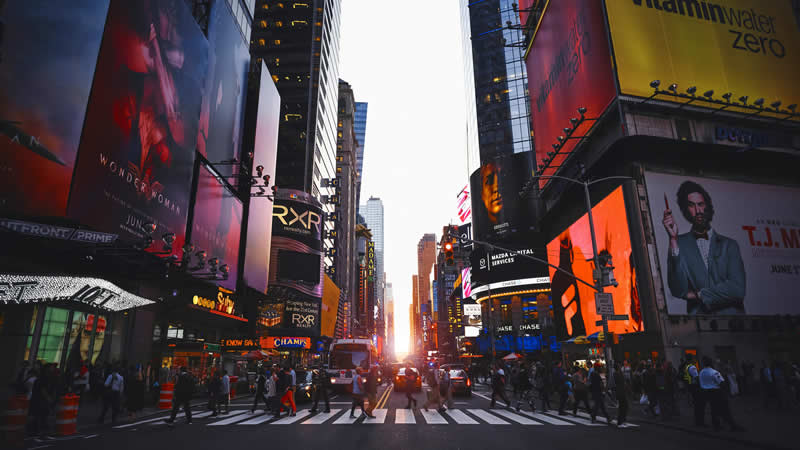
New York City, famously known as "the city that never sleeps," is the epitome of nightlife excellence. Its diverse and dynamic nightlife scene reflects the city's multicultural population, offering an array of experiences from Broadway shows to hidden speakeasies. Manhattan’s Times Square is a world-renowned hub of activity, illuminated by neon lights and bustling with energy at all hours. Here, you can catch a Broadway show or simply soak in the electrifying atmosphere.
Rooftop Bars and Chic Lounges
For those seeking a more sophisticated evening, New York City’s rooftop bars, such as The Roof and 230 Fifth, provide stunning panoramic views of the skyline along with expertly crafted cocktails. These venues offer a perfect blend of elegance and excitement, making them ideal for both locals and tourists looking to experience the city's glamour from above.
Eclectic Brooklyn
In Brooklyn, neighborhoods like Williamsburg and Bushwick are celebrated for their eclectic mix of dive bars, live music venues, and artisanal eateries. Brooklyn's vibrant arts scene permeates its nightlife, creating a unique blend of creativity and entertainment. From the trendy clubs in the Meatpacking District to the sophisticated lounges in the Upper East Side, New York City offers a night out that can be tailored to any preference.
Los Angeles, CA
The Entertainment Capital
Los Angeles, often regarded as the entertainment capital of the world, offers a nightlife scene that is both glamorous and diverse. Hollywood remains a central hub, with iconic clubs like Avalon and The Roxy Theatre hosting world-famous DJs and live performances. The Sunset Strip is legendary for its music history, and venues like the Whisky a Go Go continue to be staples for both emerging and established artists.
Downtown LA Renaissance
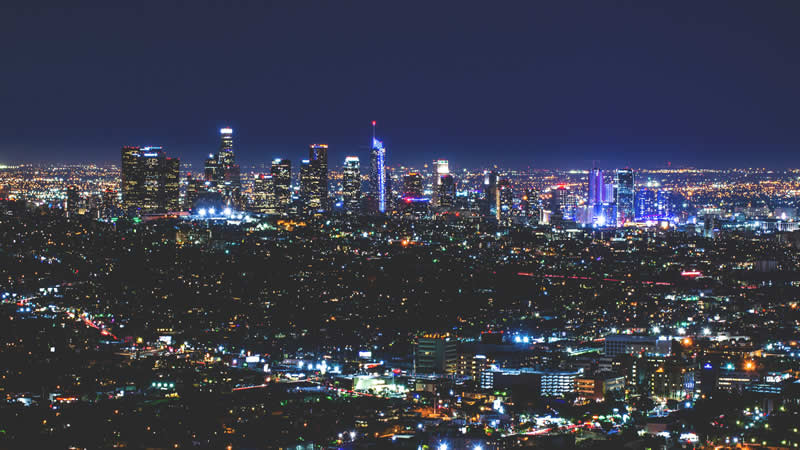
Downtown Los Angeles has experienced a renaissance in recent years, with a surge of trendy bars, nightclubs, and restaurants. The Arts District, in particular, has become a hotspot for its unique venues and vibrant atmosphere. From chic cocktail bars to bustling nightclubs, Downtown LA offers a nightlife experience that is both contemporary and diverse.
Beachfront Bars and Clubs
For a more relaxed vibe, the beach cities of Santa Monica and Venice offer a plethora of beachfront bars and clubs. These areas combine the laid-back California lifestyle with vibrant nightlife, making them perfect for those looking to enjoy the best of both worlds. From sunset cocktails at The Bungalow in Santa Monica to dancing the night away at The Brig in Venice, Los Angeles provides a diverse range of nighttime activities.
Miami, FL
South Beach Extravagance
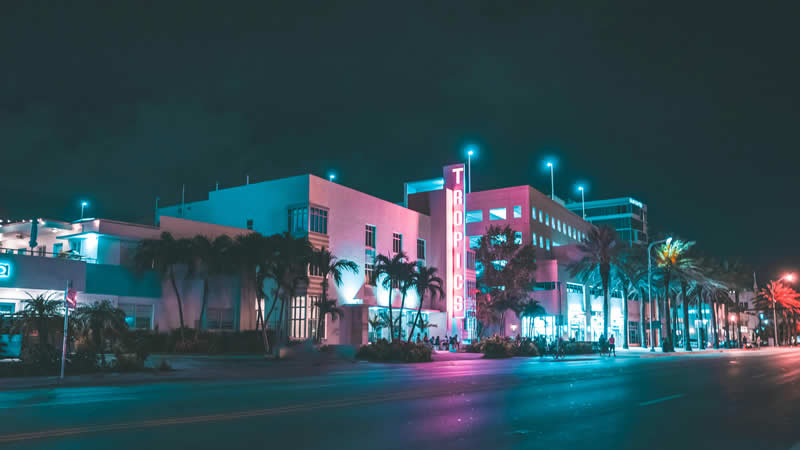
Miami’s South Beach is synonymous with luxury and extravagance, offering a nightlife experience that is unparalleled. The area is famous for its high-energy nightclubs, such as LIV at the Fontainebleau and Story, where internationally renowned DJs spin into the early hours. South Beach's Ocean Drive is lined with trendy bars and restaurants, providing a vibrant and stylish atmosphere for an unforgettable night out.
Latin Influence
Miami’s nightlife is heavily influenced by its Latin culture, with numerous salsa clubs and Latin music venues adding a unique flair to the city's after-dark scene. Little Havana, in particular, offers an authentic taste of Cuban nightlife, with live music, dancing, and traditional cuisine. Venues like Ball & Chain on Calle Ocho are perfect for those looking to immerse themselves in Miami’s rich cultural heritage.
Rooftop Lounges and Beach Clubs
For a more relaxed evening, Miami’s rooftop lounges and beach clubs offer a sophisticated yet laid-back experience. Venues like Juvia and Sugar provide stunning views of the city and ocean, paired with exquisite cocktails and cuisine. These spots are perfect for unwinding and enjoying the warm Miami nights in style.
Las Vegas, NV
The Entertainment Mecca
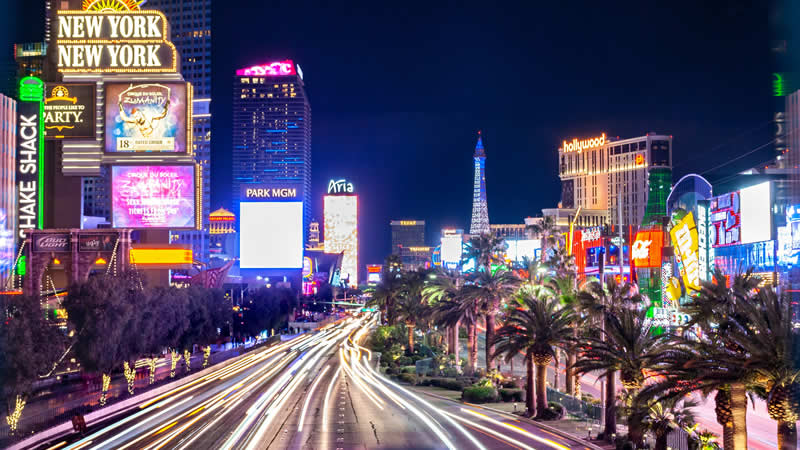
Las Vegas, often referred to as "Sin City," is renowned worldwide for its electrifying nightlife. The Las Vegas Strip is lined with opulent casinos, world-class nightclubs, and luxurious hotels, making it the ultimate destination for those seeking a high-energy night out. Iconic clubs like XS at Encore and Omnia at Caesars Palace attract top DJs and celebrities, offering an unparalleled party experience.
Live Shows and Performances
In addition to its nightclub scene, Las Vegas is famous for its live shows and performances. From Cirque du Soleil to residency concerts by global superstars, the city offers a wide range of entertainment options that cater to all tastes. The vibrant atmosphere and endless entertainment make Las Vegas a must-visit destination for nightlife enthusiasts.
Exclusive Lounges and Bars
For those seeking a more intimate and exclusive experience, Las Vegas boasts numerous high-end lounges and bars. Venues like The Chandelier at The Cosmopolitan and The Dorsey at The Venetian offer sophisticated settings and expertly crafted cocktails, providing a more relaxed yet equally thrilling nightlife option.
New Orleans, LA
The Birthplace of Jazz
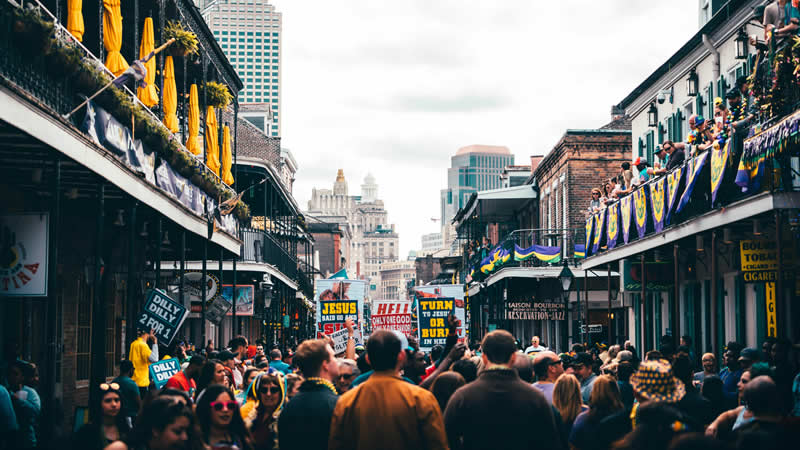
New Orleans is a city deeply rooted in music and culture, with a nightlife scene that reflects its rich heritage. The French Quarter is the heart of the city's nightlife, with Bourbon Street offering an endless array of bars, clubs, and live music venues. Jazz clubs like Preservation Hall and The Spotted Cat Music Club showcase the best of New Orleans’ musical talent, providing an authentic and unforgettable experience.
Festivals and Parades
New Orleans is known for its vibrant festivals and parades, which often extend into the night. Mardi Gras is the most famous, attracting visitors from around the world with its lively celebrations and extravagant parades. The city's nightlife thrives during these events, offering a unique and energetic atmosphere that is unmatched.
Creole Cuisine and Cocktails
The city's culinary scene is an integral part of its nightlife, with numerous restaurants and bars offering traditional Creole cuisine and cocktails. Venues like Arnaud's French 75 and The Sazerac Bar are perfect for those looking to enjoy a taste of New Orleans while experiencing its vibrant nightlife. The combination of music, food, and culture makes New Orleans a top destination for those seeking a unique and lively night out.
Chicago, IL
The Windy City's Music Scene
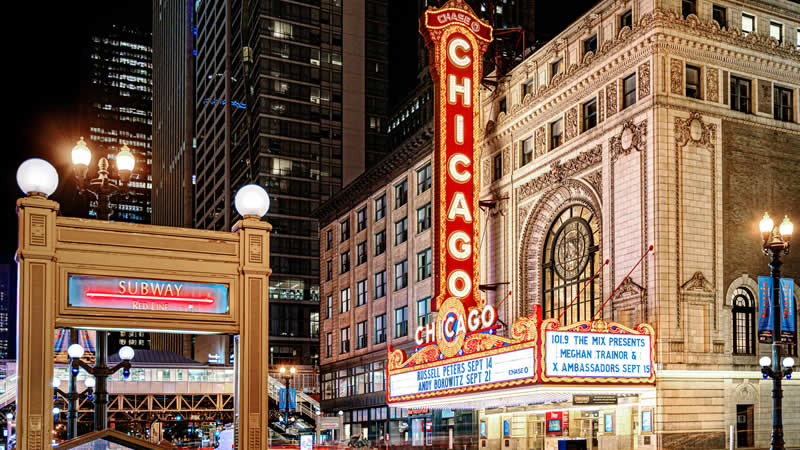
Chicago is a city known for its rich musical heritage, particularly in blues and jazz. The city's nightlife scene is heavily influenced by its music, with numerous live music venues offering performances from talented local and international artists. Clubs like Kingston Mines and Buddy Guy’s Legends provide an authentic blues experience, while venues like The Green Mill offer a glimpse into Chicago’s storied jazz history.
Rooftop Bars and Riverwalk
Chicago's skyline and architecture provide a stunning backdrop for its rooftop bars and lounges. Venues like Cindy's and LondonHouse offer breathtaking views of the city along with expertly crafted cocktails, making them perfect spots for a sophisticated night out. The Chicago Riverwalk also offers a unique nightlife experience, with numerous bars and restaurants lining the river, providing a picturesque setting for an evening of enjoyment.
Diverse Neighborhoods
Chicago's diverse neighborhoods each offer their unique take on nightlife. Wicker Park and Logan Square are known for their hipster bars and indie music venues, while River North boasts an array of upscale clubs and lounges. The variety of options ensures that there is something for everyone, making Chicago a top destination for nightlife enthusiasts.
Austin, TX
Live Music Capital of the World
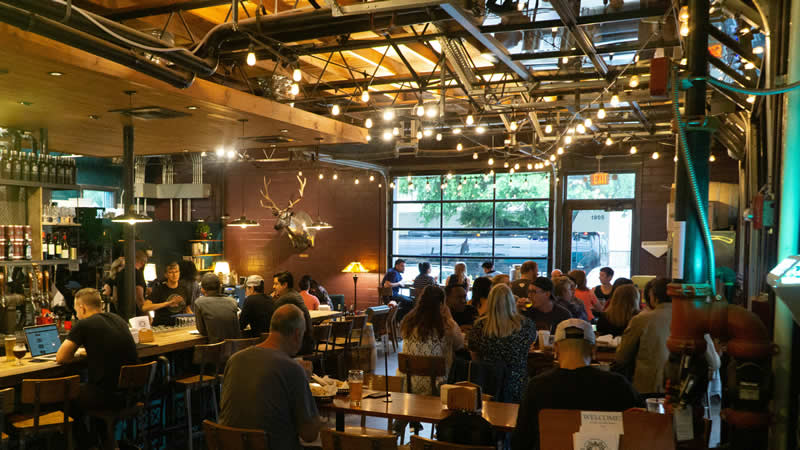
Austin is renowned as the "Live Music Capital of the World," with a vibrant nightlife scene centered around its numerous live music venues. Sixth Street is the heart of Austin's nightlife, offering an eclectic mix of bars, clubs, and live music venues. From intimate dive bars to large concert halls, Austin's music scene caters to all tastes and preferences.
Outdoor Venues and Festivals
Austin's warm climate allows for numerous outdoor venues and festivals, providing a unique and lively nightlife experience. Venues like Stubb’s Bar-B-Q offer outdoor concerts in a relaxed and casual setting, while festivals like South by Southwest (SXSW) attract visitors from around the world with their diverse lineups and vibrant atmosphere.
Craft Breweries and Food Trucks
Austin's nightlife is also heavily influenced by its craft beer and food truck scene. The city boasts numerous craft breweries and beer gardens, offering a wide range of locally brewed beers. The food truck parks scattered throughout the city provide an array of culinary delights, making them perfect spots for a casual night out. The combination of live music, craft beer, and delicious food makes Austin a top destination for those seeking a unique and enjoyable nightlife experience.
Nashville, TN
Music City USA
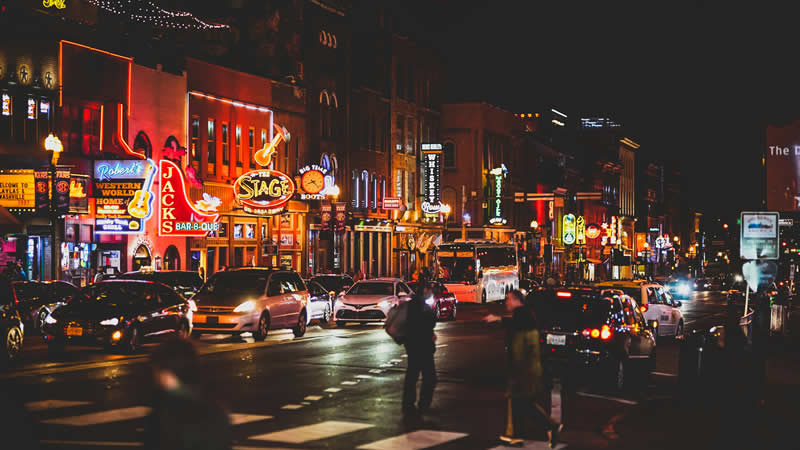
Nashville, known as "Music City USA," offers a nightlife scene that is deeply rooted in its musical heritage. The city is famous for its honky-tonk bars and live music venues, particularly along Broadway. Venues like Tootsie's Orchid Lounge and The Bluebird Cafe are iconic spots where both emerging and established artists perform, providing an authentic Nashville experience.
Country Music and Beyond
While Nashville is renowned for its country music, the city's nightlife scene also includes a wide range of other musical genres. From rock and blues to jazz and hip-hop, Nashville's diverse music scene ensures that there is something for everyone. The city's numerous music festivals, such as CMA Fest and Bonnaroo, further highlight its vibrant and eclectic nightlife.
Southern Hospitality and Cuisine
Nashville's nightlife is also characterized by its warm southern hospitality and delicious cuisine. The city's numerous bars and restaurants offer traditional southern dishes and cocktails, creating a welcoming and enjoyable atmosphere. Venues like The Patterson House and Pinewood Social provide a sophisticated yet relaxed setting, making them perfect spots for a night out in Nashville.
The United States offers a diverse and dynamic array of cities, each with its unique take on nightlife. From the electrifying energy of New York City to the laid-back charm of Austin, the country's nightlife scene caters to all tastes and preferences. Whether you are seeking live music, sophisticated lounges, or high-energy nightclubs, these cities provide an unforgettable experience after dark. So, pack your bags and get ready to explore the best nightlife destinations the U.S. has to offer.
[post_title] => 8 U.S. Cities with the Best Nightlife [post_excerpt] => [post_status] => publish [comment_status] => closed [ping_status] => closed [post_password] => [post_name] => 8-cities-best-nightlife [to_ping] => [pinged] => [post_modified] => 2024-06-11 14:51:36 [post_modified_gmt] => 2024-06-11 14:51:36 [post_content_filtered] => [post_parent] => 0 [guid] => https://www.areavibes.com/blogpost/?p=14613 [menu_order] => 0 [post_type] => post [post_mime_type] => [comment_count] => 0 [filter] => raw ) [7] => WP_Post Object ( [ID] => 15644 [post_author] => 1 [post_date] => 2024-09-05 15:08:21 [post_date_gmt] => 2024-09-05 15:08:21 [post_content] =>Are People Really Leaving California?
California, the Golden State, is synonymous with sunshine, Hollywood dreams, and tech innovation. It's a place where dreams are made and futures are forged. Yet, despite its allure, a growing number of people are choosing to leave California. So, are people really leaving California in droves, and if so, why? Are there really an influx of people leaving this great state? What are the numbers, reasons, and trends behind this migration phenomenon.
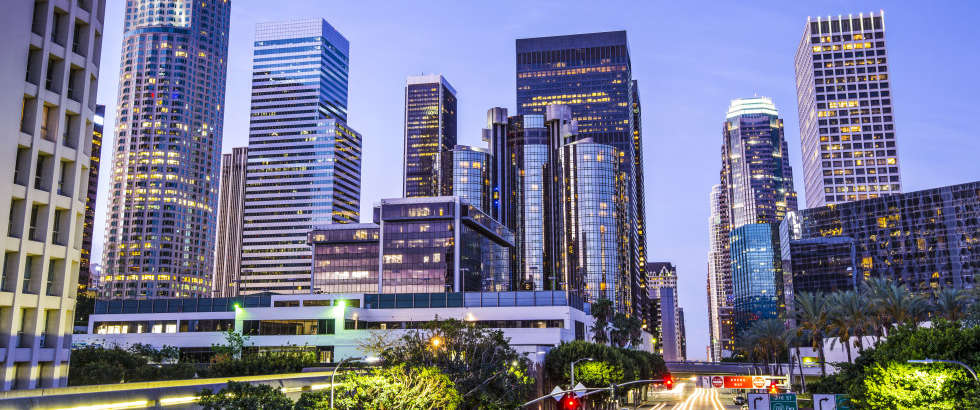
How Many People Have Left?
Recent years have seen a notable trend of people leaving California. According to data from the U.S. Census Bureau and various moving companies, California has experienced an outflow of residents. From 2022 to 2023, the state recorded a net loss of approximately 144,000 people due to domestic migration. This figure represents the difference between the number of people moving out of California and those moving in from other states. California's total population declined by about 37,000 people over that same period.
While the numbers might seem high, it's important to contextualize them within California's overall population. The state remains the most populous in the country, with over 39 million residents. However, the migration trend highlights a shift in where people are choosing to live and what factors are influencing their decisions.
Who's Leaving?
The migration trends reveal interesting insights into who is leaving California. The demographic profile of those moving out tends to be varied but includes several distinct groups:
Young Professionals
Many young professionals, particularly those in tech and creative industries, are moving out of California. Cities like San Francisco and Los Angeles, despite their vibrant job markets, have faced high living costs and competitive job environments. Some young professionals are opting for locations with lower living costs and a slower pace of life.
Retirees
Retirees are also a significant demographic among those leaving California. High property prices, increased taxes, and the desire for a more affordable lifestyle are driving retirees to seek out new homes in states with lower costs of living and warmer climates.
Families
Families looking for better educational opportunities and more affordable housing are increasingly moving out of California. The high cost of living, particularly in urban areas, is prompting families to relocate to regions where they can find more space and better value for their money.
What Cities Are They Leaving From?
The migration trend is not uniform across the state. Certain cities are experiencing higher rates of outbound migration than others. Here’s a closer look at some of the cities where people are leaving:
Los Angeles
Los Angeles, with its high living costs and intense traffic, has seen a notable number of residents moving to other states. The city's high property prices and general cost of living have driven many to seek more affordable options elsewhere. Los Angeles lost almost 75,000 people fom 2022-2023, more than any other city in the state.
San Francisco
San Francisco, known for its tech industry and cultural landmarks, has also experienced significant outflows. The high cost of living, coupled with housing shortages, has led many residents to explore opportunities in more affordable areas.
San Diego
San Diego, while still an attractive city, has also seen some residents leave. Factors such as rising housing costs and the search for more affordable living conditions have influenced this trend.
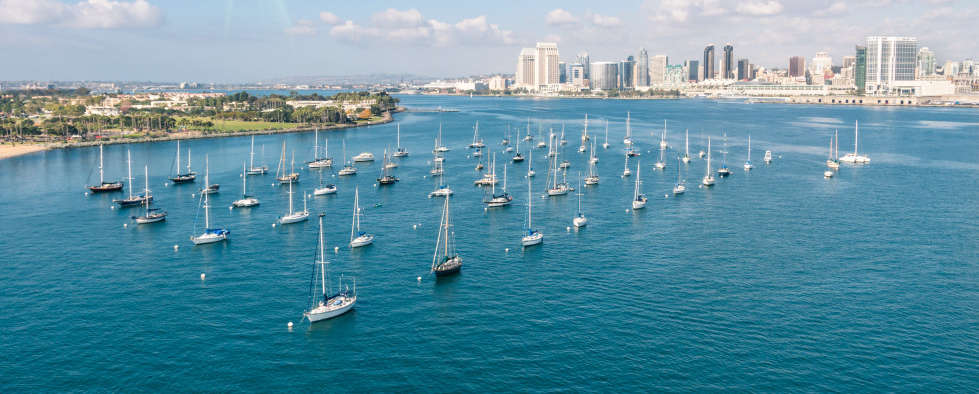
What are the reasons for Leaving?
The decision to leave California is influenced by a range of factors. Some of the most common reasons include:
High Cost of Living
One of the primary drivers of migration out of California is the high cost of living. Housing prices in cities like San Francisco and Los Angeles have soared, making homeownership increasingly out of reach for many residents. Additionally, the general cost of goods and services in California tends to be higher than in other states.
Housing Affordability
The lack of affordable housing is a significant issue in California. Many residents find it difficult to afford both home purchases and rental properties, prompting them to seek more cost-effective options in other states.
Taxes
California is known for its high state income taxes, which can be a burden for residents, particularly those with high incomes. The state's tax policies are driving some to relocate to states with lower or no income taxes.
Quality of Life Concerns
Traffic congestion, pollution, and other quality of life concerns are also contributing to the migration trend. Residents seeking a better quality of life, with less congestion and more green space, are moving to other areas that offer these benefits.
Remote Work Opportunities
The rise of remote work has allowed many professionals to work from anywhere. As a result, some individuals are choosing to relocate to areas with lower costs of living while maintaining their employment with California-based companies.
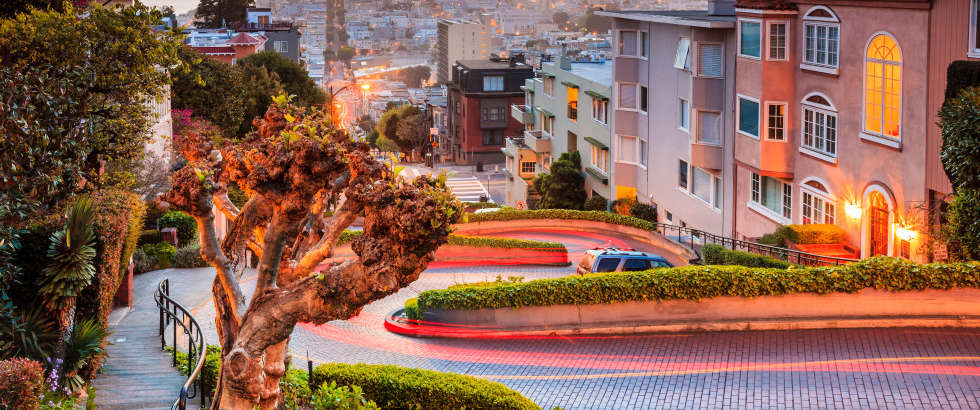
Where Are They Going?
As people leave California, they are heading to a variety of states and cities that offer different benefits. Some of the most popular destinations include:
Texas
Cities like Austin, Dallas, and Houston are seeing an influx of California transplants. Texas offers a lower cost of living, no state income tax, and a growing job market, making it an attractive destination for those leaving California. More Californian's move to Texas than any other state.
Nevada
Las Vegas and Reno are popular destinations for those seeking lower property taxes and a more affordable cost of living. Nevada’s lack of state income tax is also a significant draw for many former Californians.
Arizona
Phoenix and Tucson are gaining popularity among California residents looking for a warmer climate and more affordable housing options. Arizona’s relatively low cost of living and growing job market make it an appealing choice.
Florida
Florida, with its warm climate and lack of state income tax, is another popular destination. Cities like Miami and Orlando are attracting those seeking both lifestyle and financial benefits.
How Many New People Have Arrived?
Despite the outflow of residents, California continues to attract new arrivals, both from other states and internationally. The state remains a major hub for business, culture, and innovation, drawing individuals who are eager to be part of its vibrant economy and lifestyle.
In recent years, California has seen an influx of people from countries around the world, contributing to its rich cultural diversity. For instance, the tech sector continues to bring in talent from across the globe, while the entertainment industry attracts creatives from various regions.
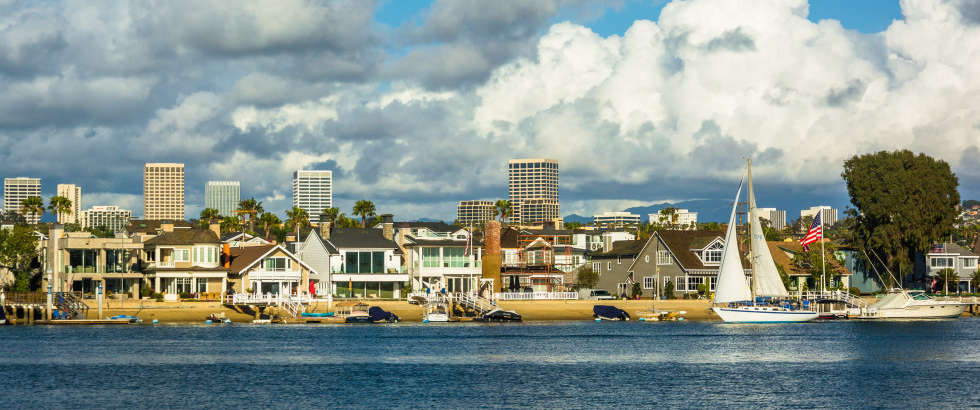
Overall, while California is experiencing a notable number of residents leaving, it is also seeing a steady stream of new arrivals, particularly those drawn by its economic opportunities and cultural appeal.
The migration trends reflect a complex picture of California’s evolving demographics and its role in the national landscape. People are leaving for various reasons, including high living costs and quality of life concerns, but the state’s unique offerings continue to attract new residents. California’s ability to adapt and evolve in response to these shifting patterns will shape its future as a desirable place to live and work.
[post_title] => Are People Really Leaving California? [post_excerpt] => [post_status] => publish [comment_status] => closed [ping_status] => closed [post_password] => [post_name] => are-people-leaving-california [to_ping] => [pinged] => [post_modified] => 2024-09-05 16:46:08 [post_modified_gmt] => 2024-09-05 16:46:08 [post_content_filtered] => [post_parent] => 0 [guid] => https://www.areavibes.com/blogpost/?p=15644 [menu_order] => 0 [post_type] => post [post_mime_type] => [comment_count] => 0 [filter] => raw ) [8] => WP_Post Object ( [ID] => 15493 [post_author] => 1 [post_date] => 2024-08-07 18:34:59 [post_date_gmt] => 2024-08-07 18:34:59 [post_content] =>Best Cities for Live Entertainment and Festivals
In life, few experiences rival the excitement of live entertainment and the electric atmosphere of festivals. Cities across the globe boast unique cultural offerings that transform everyday spaces into stages, concert halls, and festival grounds. From music and theater to food and film, the best U.S. cities for live entertainment and festivals are those where culture flourishes, creativity thrives, and community comes alive. We'll dive into the cities that stand out as premier destinations for live entertainment and festivals, revealing what makes each one a must-visit for enthusiasts and travelers alike.
New Orleans, LA: The Heartbeat of Music and Festivals
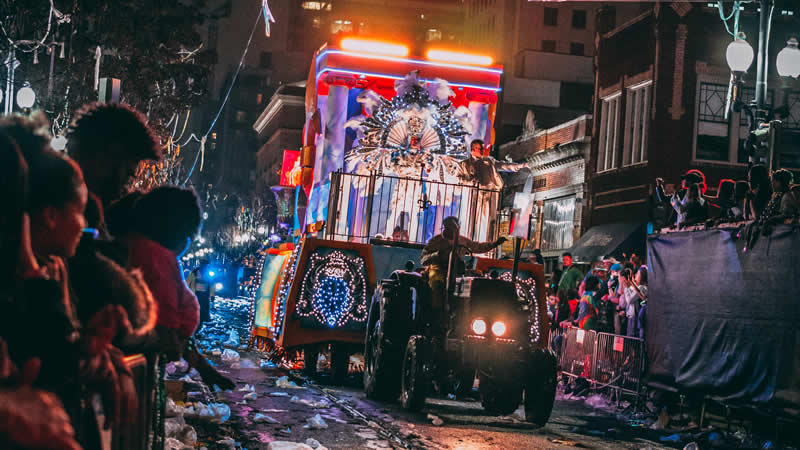
New Orleans is renowned for its unparalleled live music scene and vibrant festival culture. This city, with its rich heritage and diverse cultural influences, serves as a living canvas for musical expression and celebratory events. The city’s streets are alive with the sounds of jazz, blues, and funk, echoing the rhythms that have defined its cultural landscape for over a century.
The world-famous Mardi Gras is perhaps the most iconic festival in New Orleans, a dazzling celebration of music, dance, and elaborate parades that draws visitors from around the globe. Mardi Gras is not merely a festival; it’s a deep-seated tradition that encapsulates the spirit of New Orleans, featuring flamboyant floats, colorful costumes, and an infectious sense of revelry. Beyond Mardi Gras, the city hosts an array of festivals that cater to various tastes and interests, including the New Orleans Jazz & Heritage Festival, which celebrates the city’s musical legacy with performances from renowned artists and local talents.
New Orleans’ live music venues are equally impressive, ranging from historic clubs like Preservation Hall, where traditional jazz fills the air, to modern spaces like the House of Blues, which showcases a wide array of genres. The city’s thriving music scene is complemented by its vibrant arts culture, with numerous theaters and performance spaces offering everything from experimental theater to classical performances.
Events and Festivals in New Orleans:
- Mardi Gras: The most famous of New Orleans’ festivals, featuring vibrant parades, elaborate costumes, and a city-wide celebration.
- New Orleans Jazz & Heritage Festival: A celebration of the city’s rich musical heritage with performances from top jazz, blues, and folk artists.
- Essence Festival: A multi-day event celebrating African American culture and music, featuring performances by prominent artists and thought leaders.
Austin, TX: The Live Music Capital of the World
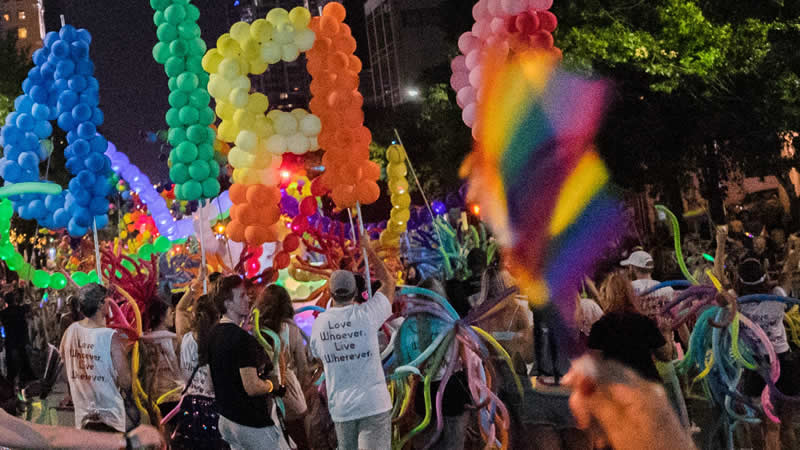
Austin proudly claims the title of “Live Music Capital of the World,” and for good reason. The city’s music scene is as diverse as it is dynamic, with a calendar packed full of live performances and music festivals that draw fans from all corners of the globe. Austin’s commitment to music is reflected in its array of venues, from intimate clubs to sprawling outdoor stages.
The South by Southwest (SXSW) festival is a key highlight of Austin’s cultural calendar. This renowned event, which combines music, film, and interactive media, transforms the city into a hub of creativity and innovation each spring. SXSW attracts artists, filmmakers, and tech enthusiasts, creating a melting pot of ideas and artistic expressions that captivates audiences and fosters collaboration.
Austin City Limits (ACL) is another major festival that underscores the city’s musical prominence. Held annually at Zilker Park, ACL features an impressive lineup of artists spanning various genres, from rock and indie to electronic and hip-hop. The festival’s setting amidst the lush greenery of Zilker Park adds to its appeal, offering a quintessential Austin experience.
In addition to these large-scale festivals, Austin’s local music scene thrives throughout the year. The city’s many live music venues, such as The Continental Club and Antone’s, provide platforms for both emerging and established artists. The city’s commitment to supporting live music is evident in its diverse range of performances and its role as a breeding ground for musical talent.
Events and Festivals in Austin:
- South by Southwest (SXSW): A massive annual festival combining music, film, and interactive media, drawing creatives from around the world.
- Austin City Limits (ACL) Music Festival: A popular festival featuring a wide array of musical acts in a beautiful outdoor setting.
- Fun Fun Fun Fest: An eclectic music and arts festival celebrating a diverse lineup of artists and performers.
Nashville, TN: The Epicenter of Country Music
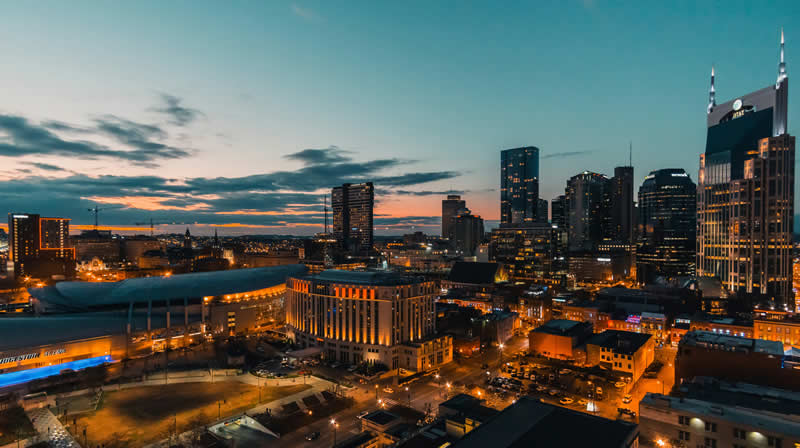
Nashville, known as “Music City,” is synonymous with country music, but its live entertainment scene extends well beyond this genre. The city’s rich musical heritage is celebrated in its numerous venues, festivals, and cultural events, making it a prime destination for music lovers.
The Grand Ole Opry is perhaps Nashville’s most iconic venue, embodying the city’s deep roots in country music. This legendary stage has hosted countless performances by country music’s greatest stars and continues to be a cornerstone of Nashville’s musical landscape. The Opry’s weekly broadcasts offer a glimpse into the heart of country music, showcasing both legendary performers and up-and-coming artists.
Nashville’s music festivals further amplify the city’s reputation as a music mecca. The CMA Fest, held annually in downtown Nashville, is a multi-day event that brings together country music fans and artists for an unforgettable celebration of the genre. The festival features performances by top country stars, as well as opportunities for fans to engage with the music through meet-and-greets and autograph sessions.
In addition to country music, Nashville’s vibrant live entertainment scene includes a variety of genres and cultural events. The city’s theaters, such as the Tennessee Performing Arts Center, host a range of performances from Broadway shows to classical concerts. Nashville’s commitment to music and arts is reflected in its diverse offerings, making it a dynamic destination for live entertainment.
Events and Festivals in Nashville:
- CMA Fest: An annual celebration of country music featuring performances by top artists and opportunities for fan engagement.
- Nashville Film Festival: A festival showcasing independent films and providing a platform for filmmakers and audiences to connect.
- Music City Food + Wine Festival: A culinary event celebrating food, wine, and music, with demonstrations and tastings from renowned chefs and chefs.
New York City, NY: The Cultural Capital of the World
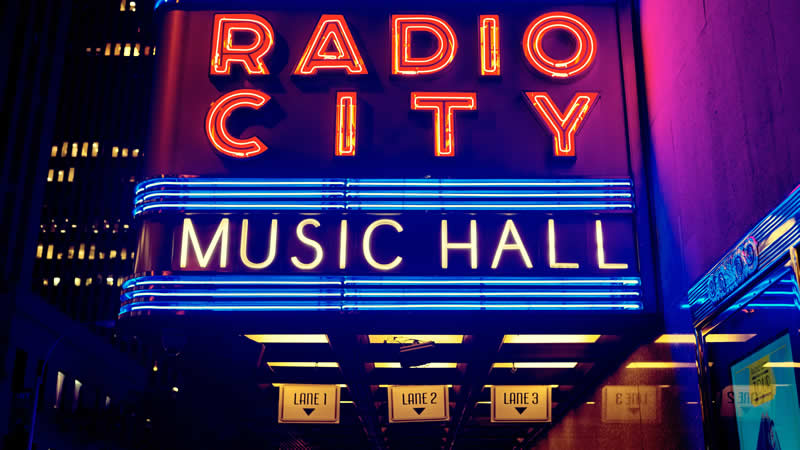
New York City’s status as a cultural capital is well-deserved, with its unparalleled array of live entertainment and festivals that cater to every taste and interest. The city’s iconic Broadway theaters are a central feature of its live entertainment scene, offering world-class performances that range from classic musicals to cutting-edge new works.
Broadway itself is an experience unlike any other, with its dazzling array of shows and performances that attract theatergoers from around the world. The city’s theater district is home to legendary venues such as the Majestic Theatre, where “The Phantom of the Opera” has been a fixture for decades, and the Shubert Theatre, which has hosted numerous acclaimed productions.
Beyond Broadway, New York City’s cultural landscape is rich with festivals and events that celebrate a wide range of artistic and cultural expressions. The Tribeca Film Festival, founded by Robert De Niro and his partners, is a prominent event that showcases independent films and fosters dialogue between filmmakers and audiences. The New York Film Festival, held annually at Lincoln Center, is another major event that features an impressive selection of international films and attracts prominent filmmakers and actors.
New York’s diverse neighborhoods each offer their own unique cultural experiences. The city’s many music venues, such as the Apollo Theater in Harlem and the Bowery Ballroom in the Lower East Side, host performances across genres, while outdoor events like SummerStage and the NYC Parks Concert Series bring live music to the city’s parks and public spaces.
Events and Festivals in New York City:
- Tribeca Film Festival: A prestigious festival showcasing independent films and celebrating diverse cinematic voices.
- New York Film Festival: An annual event featuring a curated selection of international films and filmmaker Q&As.
- SummerStage: A series of outdoor concerts and performances held in Central Park and other city parks throughout the summer.
Los Angeles, CA: Entertainment Central
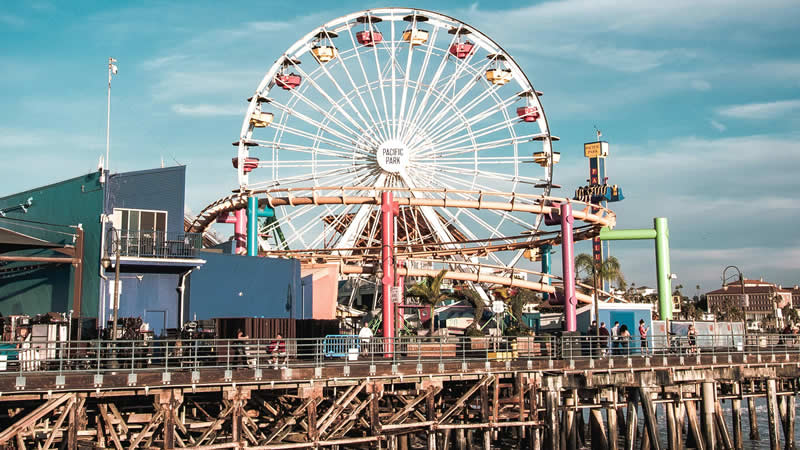
Los Angeles, the epicenter of the entertainment industry, boasts a vibrant and diverse live entertainment scene that reflects its status as a global cultural hub. The city’s entertainment offerings span music, film, theater, and more, with events and venues that cater to a wide range of interests and tastes.
The Hollywood Bowl is one of Los Angeles’ most iconic venues, renowned for its outdoor concerts and performances. With its distinctive bowl-shaped design and stunning views of the Hollywood Hills, the Hollywood Bowl hosts a variety of performances, from classical symphonies to contemporary pop concerts. The venue’s summer season features an array of musical acts and special events, providing an unforgettable experience under the stars.
Los Angeles’ music festivals also draw large crowds and showcase the city’s diverse musical landscape. Coachella, held in nearby Indio, California, is one of the largest and most well-known music festivals in the country. It attracts music lovers from around the world with its impressive lineup of artists and its immersive festival experience.
The city’s theater scene is equally impressive, with renowned venues such as the Dolby Theatre, home of the Academy Awards, and the Mark Taper Forum, known for its innovative productions. Los Angeles’ commitment to live entertainment is reflected in its diverse range of performances and events, making it a top destination for those seeking cultural and artistic experiences.
Events and Festivals in Los Angeles:
- Coachella Valley Music and Arts Festival: A major music festival featuring a diverse lineup of artists and large-scale art installations.
- LA Pride: An annual LGBTQ+ pride festival celebrating diversity and inclusion with performances, parades, and community events.
- Hollywood Bowl Summer Concerts: A series of outdoor concerts featuring a wide range of musical genres in an iconic venue.
San Francisco, CA: A Hub of Creativity and Culture
San Francisco’s reputation as a hub of creativity and culture is evident in its vibrant live entertainment scene and its diverse array of festivals. The city’s unique cultural landscape is reflected in its theaters, music venues, and annual events, which celebrate everything from art and music to food and technology.
The San Francisco Symphony, with its world-class performances and renowned conductor, is a cornerstone of the city’s classical music scene. The symphony’s performances, held at Davies Symphony Hall, offer a rich cultural experience that highlights the city’s commitment to the arts.
San Francisco’s annual festivals further showcase its creative spirit. The Outside Lands Music and Arts Festival, held in Golden Gate Park, is a major event that features a diverse lineup of musical acts, art installations, and culinary experiences. The San Francisco International Film Festival is another key event, highlighting the city’s role as a center for film and creativity.
The city’s live music venues, such as the Fillmore and the Great American Music Hall, offer a range of performances that reflect San Francisco’s eclectic musical tastes. Whether it’s jazz, rock, or electronic music, San Francisco’s venues provide a platform for both established and emerging artists.
Events and Festivals in San Francisco:
- Outside Lands Music and Arts Festival: A major festival featuring a diverse lineup of artists, food vendors, and art installations in Golden Gate Park.
- San Francisco International Film Festival: A prestigious film festival showcasing independent and international films with filmmaker discussions and screenings.
- Hardly Strictly Bluegrass: A free annual festival celebrating bluegrass and folk music with performances by well-known and emerging artists.
The cities highlighted here—New Orleans, Austin, Nashville, New York City, Los Angeles, and San Francisco—each offer a unique and dynamic landscape of live entertainment and festivals. From the soulful rhythms of New Orleans’ Mardi Gras to the innovative spirit of Austin’s SXSW, these cities provide a rich array of experiences that celebrate the arts and culture. Whether you’re drawn to music, theater, film, or food, these cities are vibrant destinations where live entertainment thrives and festivals bring communities together. Exploring these cities offers a deeper appreciation of how culture and creativity shape urban life, making each one a must-visit for anyone passionate about the arts and live experiences.
[post_title] => Best Cities for Entertainment and Festivals [post_excerpt] => [post_status] => publish [comment_status] => closed [ping_status] => closed [post_password] => [post_name] => best-cities-entertainment-festivals [to_ping] => [pinged] => [post_modified] => 2024-08-07 19:09:22 [post_modified_gmt] => 2024-08-07 19:09:22 [post_content_filtered] => [post_parent] => 0 [guid] => https://www.areavibes.com/blogpost/?p=15493 [menu_order] => 0 [post_type] => post [post_mime_type] => [comment_count] => 0 [filter] => raw ) [9] => WP_Post Object ( [ID] => 14891 [post_author] => 1 [post_date] => 2024-06-24 14:30:21 [post_date_gmt] => 2024-06-24 14:30:21 [post_content] =>Best 10 Cities for Outdoor Adventures in the US
Exploring the great outdoors is an exhilarating pursuit that offers a profound connection to nature and a welcome escape from the bustle of everyday life. The United States, with its vast and varied landscapes, is home to numerous cities that serve as gateways to some of the most breathtaking natural wonders. Whether you’re an avid hiker yearning to conquer challenging trails, a thrill-seeking mountain biker looking for rugged terrains, a dedicated kayaker seeking serene rivers, or someone who simply loves to bask in the beauty of the natural world, there is a city that can cater to your adventurous spirit.
From the towering peaks of the Rocky Mountains in Colorado to the lush forests and waterfalls of the Pacific Northwest, and from the desert landscapes of Utah to the coastal beauty of Alaska, the US offers a diverse range of destinations that promise unforgettable outdoor experiences. We will take you on a journey through 10 of the best cities for outdoor adventures in the US, where the thrill of the wild is always within reach.
1. Denver, CO
Denver, often referred to as the Mile High City, is a paradise for outdoor enthusiasts. Located at the base of the Rocky Mountains, Denver offers easy access to a myriad of outdoor activities that cater to all levels of adventurers. The city's proximity to the Rockies means that skiing, snowboarding, and other winter sports are just a short drive away. In the summer, the mountains transform into a haven for hikers, mountain bikers, and climbers. The city itself boasts an extensive network of parks and trails, making it easy for residents and visitors to enjoy the great outdoors without venturing far from home.
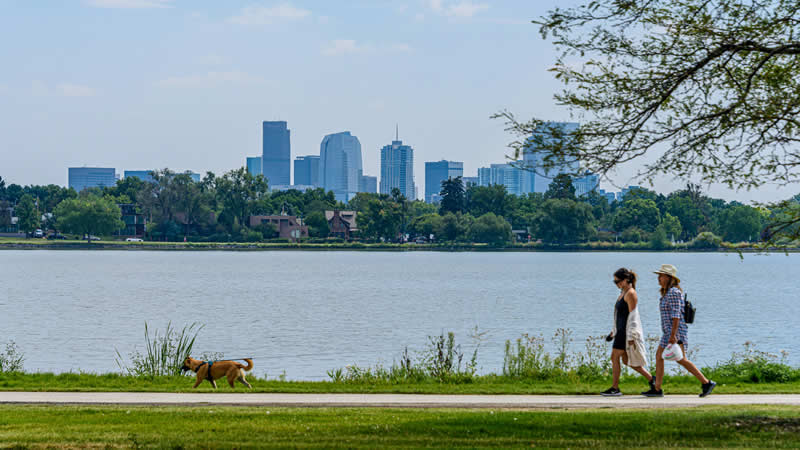
Reasons Denver is Great for Outdoor Adventures:
- Proximity to Rocky Mountains: Just an hour's drive to some of the best hiking, skiing, and mountain biking in the country.
- Vast Urban Park System: Over 200 parks within the city limits and the expansive 17-mile Cherry Creek Bike Path.
- Mild Climate: Over 300 days of sunshine annually, making it ideal for year-round outdoor activities.
- Denver Mountain Parks: 14,000 acres of scenic parkland in the nearby foothills.
- Active Outdoor Community: A strong culture of outdoor recreation with numerous clubs and organizations.
2. Seattle, WA
Seattle is another top contender for outdoor adventure lovers. Nestled between Puget Sound and the Cascade Mountains, Seattle boasts a unique blend of urban and natural landscapes. The city’s proximity to water and mountains provides an abundance of opportunities for activities ranging from kayaking and sailing to hiking and skiing. The iconic Mount Rainier, visible from the city, is a popular destination for mountaineering and hiking, while the nearby Olympic Peninsula offers a diverse range of ecosystems to explore.
Some Outdoor Adventures in Seattle:
- Puget Sound Access: Ideal for kayaking, sailing, and whale watching.
- Nearby Mountains: Easy access to the Cascades and Olympic Mountains for hiking, skiing, and mountaineering.
- Lush Green Spaces: Over 6,000 acres of parkland within the city, including the iconic Discovery Park.
- Temperate Climate: Mild temperatures year-round, perfect for outdoor activities in any season.
- Vibrant Outdoor Culture: Numerous outdoor festivals, events, and a strong community of outdoor enthusiasts.
3. Asheville, NC
Asheville is a gem for those seeking outdoor adventures in the southeastern United States. Surrounded by the Blue Ridge Mountains, Asheville offers a diverse range of outdoor activities set against the backdrop of stunning mountain scenery. Whether you’re interested in hiking the Appalachian Trail, mountain biking through Pisgah National Forest, or enjoying water sports on the French Broad River, Asheville has something to offer.
Asheville is Great for Outdoor Adventures:
- Blue Ridge Parkway: Renowned for its scenic drives and numerous hiking trails.
- Great Smoky Mountains National Park: A short drive from the city, offering over 800 miles of trails.
- Rivers and Waterfalls: Ideal for kayaking, tubing, and waterfall hikes.
- Biking Trails: Pisgah National Forest offers some of the best mountain biking on the East Coast.
- Four Distinct Seasons: Each season brings its own unique outdoor opportunities, from spring blooms to fall foliage.
4. Portland, OR
Portland is often celebrated for its vibrant cultural scene, but it’s also a fantastic city for outdoor adventures. Situated near the confluence of the Willamette and Columbia Rivers and close to the Cascade Range, Portland provides a wealth of outdoor activities. The city’s green ethos and extensive parks system make it an ideal base for nature lovers. From hiking in the Columbia River Gorge to bike riding on the many trails to skiing on Mount Hood and windsurfing in the Columbia River, Portland offers an array of adventures.
5 Outdoor Activities In Portland:
- Forest Park: One of the largest urban forests in the US, with over 80 miles of trails.
- Proximity to Mount Hood: Just an hour away, offering skiing, snowboarding, and hiking.
- Columbia River Gorge: Famous for its waterfalls, hiking trails, and windsurfing.
- Bike-Friendly City: Extensive network of bike lanes and trails, promoting cycling as a primary mode of transportation.
- Mild Climate: Encourages year-round outdoor activities, from hiking in the summer to snow sports in the winter.
5. Salt Lake City, UT
Salt Lake City is a premier destination for outdoor enthusiasts, offering unparalleled access to world-class skiing, hiking, and mountain biking. Surrounded by the Wasatch Mountains, Salt Lake City is an adventurer's playground, with a range of activities to suit every season. The city is also known for its beautiful canyons and extensive trail systems, perfect for both summer and winter sports.
Keeping Busy Outdoors In Salt Lake City:
- World-Class Ski Resorts: Home to several top-rated ski resorts within an hour's drive.
- Wasatch Mountain Range: Offers exceptional hiking, climbing, and mountain biking opportunities.
- Great Salt Lake: Provides unique recreational activities such as sailing and bird watching.
- Diverse Terrain: From desert landscapes to alpine forests, the area offers a variety of outdoor experiences.
- Year-Round Activities: A destination for all seasons, with snow sports in winter and hiking, biking, and water sports in summer.
6. Boulder, CO
Boulder is synonymous with outdoor adventure. Located at the foothills of the Rocky Mountains, Boulder is a city that embraces the outdoors with a passion. From rock climbing to trail running, Boulder offers an endless array of outdoor activities. The city is also home to a vibrant community of outdoor enthusiasts, ensuring that there are always events and activities to participate in.
Staying Busy In Boulder:
- Flatirons: Iconic rock formations perfect for climbing and hiking.
- Extensive Trail System: Over 150 miles of hiking and biking trails in the nearby open space.
- Boulder Creek: Ideal for tubing, kayaking, and fishing.
- Chautauqua Park: A historic landmark with easy access to numerous trails.
- Active Outdoor Community: A vibrant community of outdoor enthusiasts and numerous outdoor events.
7. Anchorage, AK
For those who crave rugged wilderness and untamed landscapes, Anchorage is the ultimate destination. Surrounded by mountains and coastal environments, Anchorage offers some of the most spectacular outdoor adventures in the country. From glacier hikes to wildlife viewing and sea kayaking, Anchorage provides a true wilderness experience.
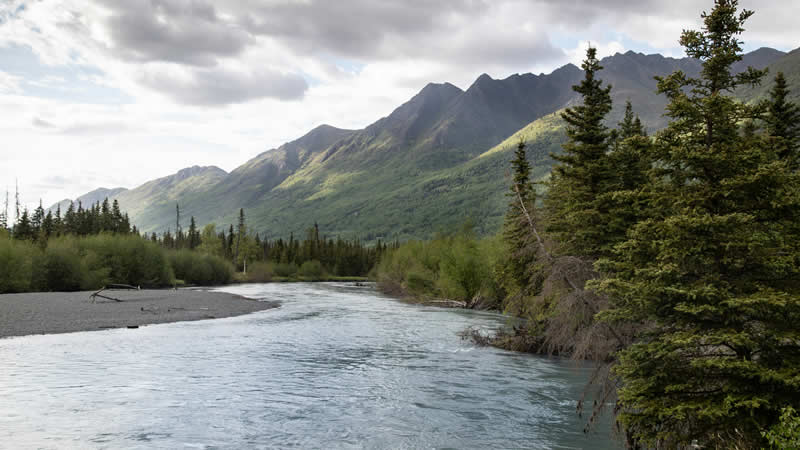
A Few Outdoor Activities In Anchorage Include:
- Chugach State Park: One of the largest state parks in the US, offering hiking, skiing, and wildlife viewing.
- Glacier Access: Opportunities for glacier hiking and ice climbing.
- Abundant Wildlife: Moose, bears, and eagles are common sights in and around the city.
- Coastal Activities: Kayaking, fishing, and whale watching in the nearby waters.
- Midnight Sun: Extended daylight hours in summer allow for prolonged outdoor activities.
8. Bend, OR
Bend is a small city that packs a big punch when it comes to outdoor adventures. Located in Central Oregon, Bend is known for its diverse outdoor recreational opportunities, from world-class skiing and mountain biking to water sports on the Deschutes River. The city's high desert climate provides sunny weather and a variety of outdoor activities year-round.
Outdoor Adventures In Bend:
- Mount Bachelor: Offers some of the best skiing and snowboarding in the Pacific Northwest.
- Deschutes River: Perfect for kayaking, rafting, and fishing.
- Smith Rock State Park: A premier destination for rock climbing.
- Numerous Trails: Over 300 miles of mountain biking and hiking trails.
- High Desert Climate: Provides sunny weather and a variety of outdoor activities year-round.
9. Austin, TX
Austin might not be the first city that comes to mind when thinking of outdoor adventures, but its unique landscape and vibrant outdoor culture make it a standout destination. With numerous parks, lakes, and natural springs, Austin offers a variety of outdoor activities in a warm, sunny climate. From paddling on Lady Bird Lake to hiking in the nearby Hill Country, Austin has plenty to offer.
Austin is Great for Outdoor Adventures:
- Lady Bird Lake: Ideal for kayaking, paddleboarding, and rowing.
- Greenbelt: Offers miles of hiking and biking trails within the city.
- Barton Springs Pool: A natural spring-fed pool that stays cool year-round.
- Hill Country: Nearby area perfect for hiking, camping, and wine tasting.
- Warm Climate: Encourages outdoor activities throughout the year.
10. Honolulu, HI
Honolulu is a dream destination for outdoor enthusiasts, offering a perfect blend of ocean and mountain adventures. With its stunning beaches, lush rainforests, and volcanic landscapes, Honolulu provides a diverse range of outdoor activities. From surfing the legendary waves of Waikiki Beach to hiking the challenging trails of the Koʻolau Range, Honolulu is a paradise for adventurers.

Surf's Up In Honolulu:
- Waikiki Beach: World-renowned for surfing, swimming, and sunbathing.
- Diamond Head: A popular hiking destination with panoramic views of the city and ocean.
- Koko Head Crater: Offers a challenging hike with a rewarding view at the summit.
- Snorkeling and Diving: Crystal clear waters and abundant marine life make for excellent snorkeling and diving.
- Rainforest Hikes: Numerous trails through lush, tropical rainforests.
The United States offers a plethora of cities that cater to outdoor enthusiasts, each with its own unique charm and set of adventures. Whether you prefer the snowy peaks of Colorado, the coastal beauty of Alaska, or the vibrant culture of Austin, there is a city that will satisfy your craving for outdoor exploration. Embrace the call of the wild and discover the best cities for outdoor adventures in the US.
[post_title] => Best Cities for Outdoor Adventures in the US [post_excerpt] => [post_status] => publish [comment_status] => closed [ping_status] => closed [post_password] => [post_name] => best-cities-outdoor-adventures [to_ping] => [pinged] => [post_modified] => 2024-06-24 18:03:05 [post_modified_gmt] => 2024-06-24 18:03:05 [post_content_filtered] => [post_parent] => 0 [guid] => https://www.areavibes.com/blogpost/?p=14891 [menu_order] => 0 [post_type] => post [post_mime_type] => [comment_count] => 0 [filter] => raw ) ) May 27, 202410 Most Underrated Cities In the U.S. Top 10 Most Underrated Cities in the USA When thinking about places to relocate to within the United… June 3, 2024
6 Cities Thriving Despite Challenges 6 U.S. Cities Thriving Despite Challenges In the landscape of American cities, some urban centers are showing remarkable… July 31, 2024
6 Cities with the Best Public Art Scenes In the U.S. 6 Cities with the Best Public Art Scenes in the U.S. Public art enriches urban landscapes, providing both… July 24, 2024
6 Hidden Gems: Smaller Cities with High Livability 6 Underrated Small Cities with High Livability In a world where iconic cities like New York, Los Angeles,… September 20, 2024
8 Best Parks In the United States 8 Best Parks in the United States America is home to some of the most breathtaking landscapes in… June 6, 2024
8 Cities with the Fastest Growing Job Markets 8 Cities with the Fastest Growing Job Markets In today’s ever-evolving economic landscape, certain U.S. cities stand out… June 10, 2024
8 U.S. Cities with the Best Nightlife U.S. Cities with the Best Nightlife The United States is renowned for its vibrant and diverse nightlife, catering… September 5, 2024
Are People Really Leaving California? Are People Really Leaving California? California, the Golden State, is synonymous with sunshine, Hollywood dreams, and tech innovation.… August 7, 2024
Best Cities for Entertainment and Festivals Best Cities for Live Entertainment and Festivals In life, few experiences rival the excitement of live entertainment and… June 24, 2024
Best Cities for Outdoor Adventures in the US Best 10 Cities for Outdoor Adventures in the US Exploring the great outdoors is an exhilarating pursuit that… 2026-05-20 15:08:43
How to Use Online Tools to Match Your Next Apartment with the Right Neighborhood
Finding the right apartment is about finding the neighborhood that fits your life. Here's how today's online rental platforms can help you zero in on both.
Moving to a new city — or even a new part of town — can feel like a leap of faith. You might find an apartment with the perfect layout and price, only to discover the commute is brutal, the nearest grocery store is a 20-minute drive, or the neighborhood just doesn't match your lifestyle. The good news is that modern rental websites have evolved far beyond simple listing databases. Many now offer sophisticated tools designed to help you evaluate not just the apartment itself, but the community surrounding it.
This guide walks you through the specific features available across leading rental platforms and shows you how to use them strategically so your next move lands you in the right home and the right neighborhood.
Start with Livability and Neighborhood Scoring
Before you even look at a single listing, it helps to understand what makes a neighborhood tick. Several platforms now provide data-driven scores that quantify the quality of life in a given area.
Livability scores and neighborhood grades aggregate data on cost of living, crime rates, school quality, employment opportunities, and amenities into a single, digestible rating. AreaVibes, for example, is built entirely around this concept, breaking down a location's livability into weighted categories so you can see at a glance whether an area aligns with your priorities. If low crime is non-negotiable, you can weigh that category more heavily. If you care most about walkability and access to restaurants, you can adjust accordingly.
RentCafe takes a complementary approach by embedding lifestyle-matching tools directly into its search experience. Its neighborhood pages compile demographics, points of interest, transit access, and rental market trends into a snapshot that sits alongside available rental apartments in your area of interest. This means you can evaluate the apartment and the area in the same workflow rather than toggling between disconnected websites.
How to use this strategically: Start by identifying three to five factors that matter most to you — safety, commute time, school quality, nightlife, outdoor recreation — and use scoring tools to build a shortlist of neighborhoods before you search for units. This prevents you from falling in love with an apartment in an area that doesn't actually work for your daily life.
Use Map-Based Search to Draw Your Own Boundaries
One of the most underused features on rental platforms is the custom map search. Rather than searching by city or zip code, several sites let you draw a boundary on a map and surface only the listings inside it.
Apartments.com and RentCafe both offer robust map-based interfaces where you can zoom into a specific corridor, let’s say the blocks between your office and your favorite park, and see every available unit in that zone. Redfin's rental search integrates its well-known mapping tools, allowing you to overlay school districts, transit lines, and flood zones on the same view.
Zillow takes this a step further with commute time filters. You can enter your workplace address and set a maximum travel time by car, transit, bike, or foot, and the map redraws to show only the areas and apartments that fall within your window.
How to use this strategically: Combine map drawing with commute filters. First, eliminate any area that exceeds your commute tolerance. Then, within the remaining zone, draw tighter boundaries around the pockets that score well on livability or have the amenities you identified in step one. You'll cut through hundreds of irrelevant listings in seconds.
Layer in Walk Score, Transit Score, and Bike Score
If your lifestyle depends on getting around without a car, or you simply prefer a walkable environment, Walk Score, Transit Score, and Bike Score are essential data points. These scores, originally developed by Walk Score (now part of Redfin), rate a location's pedestrian, public transit, and cycling infrastructure on a 0–100 scale.
You'll find these scores embedded directly in listings on Redfin, Apartments.com, Zillow, and RentCafe. Rather than treating them as a curiosity, use them as hard filters:
- A Walk Score above 70 generally means most errands can be accomplished on foot.
- A Transit Score above 50 indicates good access to public transportation.
- A Bike Score above 70 suggests solid cycling infrastructure and bike-friendly roads.
How to use this strategically: If you're car-free, set a minimum Walk Score and Transit Score before you look at photos, amenities, or price. No amount of in-unit laundry makes up for being stranded without reliable transportation.
Explore Crime Data and Safety Maps
Safety is consistently one of the top concerns for renters evaluating a new neighborhood, and several platforms now integrate crime data overlays directly into the search experience.
AreaVibes provides detailed crime breakdowns compared against national and state averages. This lets you move beyond vague perceptions ("I heard that area is sketchy") and into actual data.
Trulia has long been known for its crime heat maps, which visualize incident density across a geographic area. When you're comparing two apartments in adjacent neighborhoods, pulling up a crime map can reveal that one block sits in a meaningfully different safety profile than another just a few streets away.
RentCafe neighborhood pages also include safety data alongside other quality-of-life metrics, keeping everything in one place.
How to use this strategically: Look at trends, not just snapshots. A neighborhood with declining crime rates may be a better bet than one with currently low but rising numbers. Also, compare the specific type of crime that concerns you most: property crime patterns, for instance, vary dramatically from violent crime patterns in the same area.
Check School Ratings (Even If You Don't Have Kids)
School quality data, available on platforms like Redfin, Zillow, Apartments.com, and RentCafe, isn't just for parents. School ratings are a reliable proxy for neighborhood stability, community investment, and long-term property values, all of which affect your experience as a renter.
Redfin and Zillow pull school ratings from GreatSchools.org and display them directly on listing pages, along with the assigned school for each grade level. Some platforms also show school district boundaries on the map, which is critical because two apartments a mile apart can fall in very different districts.
How to use this strategically: If you have school-age children, use school boundary maps as your first filter, before price, before amenities. If you don't have children, still glance at school ratings as a quick quality-of-life indicator for the surrounding community.
Evaluate Cost of Living Beyond Rent
Your rent payment is only one piece of the affordability puzzle. A $1,500 apartment in a neighborhood where groceries, gas, and dining cost 20% above average may actually be more expensive than a $1,700 apartment in a more affordable area.
AreaVibes provides cost-of-living comparisons that break down housing, transportation, groceries, utilities, and healthcare costs relative to national averages. RentCafe neighborhood pages include median rent data, rent trends over time, and demographic information that gives context to the numbers, and they have a cost of living calculator you can use if you’re switching cities.
Apartments.com and Zillow display rent trend charts that show you whether prices in a specific area are climbing, stable, or softening, important when deciding whether to sign a 12-month lease or negotiate for flexibility.
How to use this strategically: Build a simple monthly budget that goes beyond rent. Use cost-of-living tools to estimate your total monthly outflow in each candidate neighborhood. The cheapest apartment is not always the most affordable place to live.
Read Reviews and Local Insights
Data tells you a lot, but it can't capture everything. Resident reviews and local commentary fill in the gaps that numbers miss. The landlord who never fixes anything, the street that floods every spring, the coffee shop that makes the whole block feel like a community, all of these are pieces of information that can only come from people who have lived there.
Apartments.com and RentCafe feature verified resident reviews on individual properties, giving you candid feedback on management responsiveness, maintenance quality, noise levels, and more. Google Maps reviews of nearby businesses can tell you whether the "walkable dining scene" is actually thriving or half-shuttered.
Trulia's "What Locals Say" feature polls residents on topics like parking, pet-friendliness, nightlife, and how family-friendly an area feels. While anecdotal, this crowdsourced data adds a human dimension that purely quantitative tools can't replicate.
How to use this strategically: Read reviews with a critical eye. A single negative review may be an outlier; a pattern of complaints about the same issue is a red flag. Cross-reference resident feedback with the objective data you've already gathered to build a complete picture.
Put It All Together: A Step-by-Step Workflow
Here's a practical sequence for combining these tools into one efficient apartment search:
- Define your priorities. List the five neighborhood characteristics that matter most to you.
- Score and compare areas. Use livability scoring tools to identify neighborhoods that align with your priorities.
- Set your commute boundary. Use commute time filters to eliminate areas that are too far from work, school, or other fixed destinations.
- Filter by walkability and transit. Apply Walk Score and Transit Score minimums based on your transportation needs.
- Check safety data. Overlay crime maps and review trends to confirm your shortlisted neighborhoods meet your safety standards.
- Evaluate total cost of living. Compare not just rent but groceries, transportation, and utilities across candidate areas.
- Search for units. Now you can dive into individual listings within your refined zones.
- Read reviews. Before scheduling tours, check resident feedback on specific properties and nearby businesses.
- Visit in person. Walk the neighborhood at different times of day. No digital tool replaces firsthand observation.
The Bottom Line
The rental search has fundamentally changed. Platforms like RentCafe, Apartments.com, Redfin, Zillow, Trulia, and AreaVibes each bring different strengths to the table, from livability scoring and crime mapping to commute filters and cost-of-living breakdowns. The key is to use these tools in combination and in the right order. Take the time to let the data guide you to finding the perfect rental apartment.
2026-03-24 17:13:49
Cities Where You Get the Most Livability for Your Money
In today’s housing market, affordability alone doesn’t tell the full story. Buyers and renters are no longer just asking “Where is it cheapest?” They’re asking a more meaningful question: where do I get the most livability for what I’m paying? That shift is changing how people evaluate cities. A lower cost of living might look appealing at first, but if it comes with long commutes, limited amenities, or fewer job opportunities, the overall experience can fall short. On the other hand, some cities strike a rare balance by offering strong livability without the premium price tag. These are the places where residents get more convenience, opportunity, and quality of life per dollar.
What “Livability for Your Money” Really Means
Livability is not a single metric. It’s a combination of factors that shape everyday life. On platforms like AreaVibes, livability scores typically include access to amenities such as restaurants, grocery stores, and parks, along with commute times, transportation options, cost of living, safety, employment opportunities, and education. When these are combined with cost, you get something more valuable than affordability alone. You get value. A high-value city isn’t necessarily the cheapest. It’s the one where your budget delivers the most balanced and enjoyable lifestyle.The Rise of Value Cities
Migration trends over the past few years have made one thing clear. People are leaving high-cost cities in search of better value, not just lower prices. According to data from the United States Census Bureau, states like Texas, North Carolina, South Carolina, Florida, and Tennessee continue to attract strong population growth. These states share a common advantage. They offer a below-average cost of living while still supporting strong job markets and expanding infrastructure. At the same time, research from the National Association of Realtors shows that neighborhood quality and convenience consistently rank among the most important factors for buyers. People are no longer chasing cheap. They’re chasing value.Cities That Deliver Strong Livability Value
While rankings can vary depending on methodology, several cities consistently stand out for offering strong livability relative to cost.Pittsburgh, Pennsylvania > Livability Score: 84/100
Pittsburgh continues to be one of the most compelling value markets in the U.S. Housing costs remain well below the national average, while the city offers access to top-tier healthcare, universities, and a growing tech sector. Neighborhoods are often walkable, and the city’s infrastructure supports a balanced lifestyle without the cost pressures seen in larger metros. For buyers looking to maximize value, Pittsburgh is frequently near the top of the list.Raleigh, North Carolina > Livability Score: 84/100
Raleigh has become one of the most desirable cities for long-term growth, thanks to its connection to the Research Triangle and its highly educated workforce. Anchored by institutions like Duke University and University of North Carolina at Chapel Hill, the region offers strong job opportunities in tech and healthcare. While housing prices have increased, Raleigh still delivers strong value when you factor in income levels, job stability, and overall quality of life.Tampa, Florida > Livability Score: 80/100
Tampa has seen a surge in both migration and investment, driven by its combination of affordability, lifestyle, and economic growth. Compared to major coastal cities, Tampa offers access to beaches, outdoor living, and a growing downtown core at a relatively lower cost. Florida’s lack of a state income tax also adds to its appeal. Markets like Tampa continue to benefit from sustained population inflows and strong rental demand, as highlighted by organizations such as the Urban Land Institute.Nashville, Tennessee > Livability Score: 78/100
Nashville has evolved into a major economic and cultural hub. Its economy is driven by healthcare, technology, and entertainment, creating a diverse and resilient job market. While housing costs have risen in recent years, Nashville still offers a strong balance between opportunity and lifestyle. The city’s vibrant downtown, growing infrastructure, and steady migration trends continue to attract both residents and investors.Kansas City, Missouri > Livability Score: 78/100
Kansas City is increasingly recognized for its combination of affordability and lifestyle. The city offers a strong arts and food scene, improving infrastructure, and relatively low housing costs. It’s a market where residents can enjoy urban amenities without the financial pressure of larger cities, making it a compelling option for both buyers and renters.Indianapolis, Indiana > Livability Score: 76/100
Indianapolis remains one of the most affordable large cities in the United States. Despite lower housing costs, the city offers a strong healthcare sector, stable employment, and a growing downtown. For buyers seeking a lower entry point without sacrificing access to jobs and amenities, Indianapolis consistently ranks as one of the best value markets.Why These Cities Stand Out
Across all of these markets, a clear pattern emerges. Cities that deliver the most livability for your money tend to share a few key characteristics. Housing costs align with local incomes. Job markets are strong and diversified. Amenities are accessible and integrated into daily life. Population growth is steady without being overwhelming. When these factors come together, they create environments where residents don’t have to compromise between cost and quality of life.The Trade-Offs to Consider
Even the best value cities come with trade-offs. Some may have less extensive public transit systems, fewer global cultural institutions than major metros, or slower long-term appreciation compared to high-demand coastal markets. However, for many buyers, these trade-offs are outweighed by the ability to enjoy a higher quality of life at a more reasonable cost.Why This Trend Is Here to Stay
The shift toward value-driven living is not temporary. As housing costs remain elevated and remote work continues to provide flexibility, more people are prioritizing how they live, not just where. Cities that offer a balance of affordability, opportunity, and lifestyle will continue to attract both residents and investment. Over time, many of these markets evolve into the next generation of high-demand cities.Final Thought
The idea of “location, location, location” has always been true, but how we define location has changed. Today, the smartest move isn’t choosing the cheapest city or the most expensive one. It’s choosing the place where your budget delivers the best overall experience. Because in modern real estate, the real goal isn’t just affordability. It’s livability for your money.2025-10-08 20:33:25
Crime Trends in 2024 — What the FBI Data Tells Us Compared to 2023
Every year, analysts, policymakers, journalists, and everyday citizens look closely at national crime statistics to gauge whether things are getting safer — or more dangerous. In August 2025, the FBI released its 2024 Reported Crimes in the Nation report, offering a fresh snapshot of crime trends based on data from thousands of law enforcement agencies across the U.S.
The takeaway: by almost every major metric, crime went down in 2024 compared to 2023. But as any seasoned analyst knows, headline percentages don’t tell the full story. In this article, we’ll walk through the data, what changed, important caveats, and what to watch in 2025.
1. What the 2024 Data Shows: A Declining Crime Landscape
Violent Crime Overview
The FBI defines violent crime as the sum of murder (non-negligent manslaughter), rape, robbery, and aggravated assault. In 2024:
- Violent crime decreased by 4.5 % compared to 2023 estimates.
- Murder / nonnegligent manslaughter saw the steepest decline: –14.9 %.
- Rape (under the revised definition) dropped ~5.2 %.
- Robbery fell ~8.9 %.
- Aggravated assault declined ~3.0 %.
In practical terms, the FBI notes that based on reported data, a violent crime occurred every 25.9 seconds, a murder every 31.1 minutes, and a rape every 4.1 minutes.
These trends suggest a broad retreat in violent crime, and the declines are consistent across categories rather than being isolated to a few types.
Hate Crimes
For 2024, 16,419 agencies submitted to the hate crime collection (population coverage ~95.1 %).
- Reported hate crime incidents declined from 11,041 in 2023 to 10,873 in 2024 (–1.5 %).
- According to the Department of Justice - Related offenses (some incidents can involve multiple offenses) also declined slightly from 13,829 to 13,683.
While the drop is modest, it suggests that hate-motivated offenses broadly followed the downward trend of other crimes in 2024.
Quarterly & Interim Data
In addition to the annual report, the FBI publishes Quarterly Uniform Crime Reports. Some highlights:
- In Q1 2024 (Jan–Mar), aggregated data from agencies submitting at least two months of comparable data suggested violent crime fell 15.2 % vs Q1 2023.
- Murder down ~26.4 %, rape down ~25.7 %, robbery down ~17.8 %, aggravated assault down ~12.5 %.
- In Q2 (Jan–June 2024 vs same period 2023), violent crime among agencies reporting at least three months of common data dropped ~10.3 %.
- That included declines of 22.7 % for murder, 17.7 % for rape, 13.6 % for robbery, 8.1 % for aggravated assault.
These quarterly snapshots show that the downward momentum was relatively consistent across the first half of the year.
2. Comparing to 2023: Was 2024 Just More of the Same — or Better?
To appreciate the significance of 2024’s drop, it’s helpful to look at 2023 trends and context.
2023 in Brief
In the FBI’s 2023 Crime in the Nation release:
- Violent crime was estimated to decline ~3.0 % from 2022 to 2023.
- Within that:
- Murder / non-negligent manslaughter dropped ~11.6 %.
- Rape (revised definition) decreased ~9.4 %.
- Robbery and aggravated assault also saw modest declines.
- Hate crime incidents decreased ~0.6 % in 2023 (from 10,687 in 2022 to 10,627 in 2023).
Thus, 2023 was already a year of modest decline, and 2024 appears to build on that trend in a stronger way — particularly in categories like murder, robbery, and rape.
What Changed (or Accelerated) in 2024?
- The steeper 14.9 % drop in murders is especially striking, likely the most volatile category.
- The decline across multiple categories (rape, robbery, assault) suggests it was not just one outlier pulling the trend — but a broad retreat.
- Quarter-by-quarter data show that the declines were fairly consistent during the first half of 2024, not only in isolated months.
- Combined, these patterns suggest that 2024 did more than continue a downward drift — it may mark a more robust reversal compared to recent years.
3. Possible Explanations for the Decline (What Might Be Driving These Trends)
It’s risky to attribute causation easily in crime statistics, but here are plausible factors and theories that analysts and policymakers may examine.
A. Improved Policing Strategies & Law Enforcement Tactics
- Many jurisdictions have leaned more heavily into data-driven policing, predictive analytics, hotspot targeting, community policing, and evidence-based interventions.
- The declines in homicide and robbery may in part reflect more focus on violent crime units, better case prioritization, and resource reallocation.
- Some agencies may have improved clearance rates (i.e., solving more cases), which can raise deterrence. For example, analysts note that the murder clearance rate has improved somewhat from COVID-era lows, though it has not fully recovered to pre-pandemic norms. (Center for American Progress)
B. Post-pandemic normalization & behavioral shifts
- The sharp crime surges during the COVID-19 pandemic years (especially 2020–2021) may have included temporary dislocations, social stressors, policing strain, and shifts in mobility. Some of these pressures have since eased.
- As society returns to more stable routines (return to office, more normal commuting, reopening of social activities), some of the factors that contributed to elevated crime may subside.
C. Economic and social interventions
- Some localities increased investments in violence interruption programs, youth outreach, mental health supports, and social services.
- Gun violence prevention measures, community-based initiatives, and funding for violence reduction programs may have started paying off in some places.
D. Crime saturation & regression toward mean
- In places with extremely high crime in prior years, there’s sometimes a regression effect — even absent major interventions, extreme values tend to move back toward historical averages.
- Some analysts argue that part of what we’re seeing is just a “cooling off” after pandemic-era volatility.
E. Reporting changes & methodological shifts (important caveats)
- The FBI’s methodology now uses the revised rape definition (which counts more types of offenses than the prior definition) for 2013–2024. This can affect year-over-year comparisons, especially for rape.
- Crime reporting is voluntary. Some law enforcement agencies might change their participation, reporting completeness, or consistency year to year.
- Some categories (especially less serious offenses, property crimes, or minor assaults) may suffer from underreporting or inconsistencies.
- The FBI’s addition of the word “Reported” — i.e. “Reported Crimes in the Nation” — highlights that these are incidents reported to law enforcement, not all crime.
Thus, part of the observed decline might be due to changes in reporting behavior (e.g. more rigorous vetting, fewer misclassifications, or agencies not submitting certain types of crimes).
4. What the Declines Did not Tell Us (and What We Don’t Know)
- The data do not speak to unsolved crime, unreported crime, or victim experiences not captured in police data.
- It doesn’t reveal geographic variation clearly (i.e. which cities, states, or neighborhoods drove declines or bucked the trend).
- It doesn’t explain why declines happened (unless we pair with qualitative data, local agency reports, or academic studies).
- Some localities may have seen increases even as national numbers fell; local context matters heavily.
- Offenses like cybercrime, fraud, or nonviolent offenses (not part of UCR’s “Part I” metrics) aren’t captured in this lens.
- The trend could reverse; one should be cautious of assuming continuous decline.
5. Property Crime & Other Offenses: What’s Happening There?
While the FBI press release emphasizes violent crime, other sources report similar downward movement for property crime in 2024:
- Analysts point to an 8.1 % drop in property crime overall, with motor vehicle theft down ~18.6 %, burglary down ~8.6 %, and larceny/theft down ~5.5 %.
- These are some of the lowest levels recorded in decades (for certain categories).
The property crime decline is complementary to the violent crime decline, suggesting safety gains across a broad swath of crime types.
6. Broader Implications & What to Watch in 2025
Potential Implications
- The decline strengthens the narrative that the crime spike in the pandemic years may have been, in part, an aberration rather than a new norm.
- It may support arguments for shifting resources from reactive policing toward preventive strategies, social services, and community resilience.
- It could influence public perceptions of safety, which in turn affect real estate, migration, economic investment, and trust in institutions.
- For media and public discourse, it provides data to challenge exaggerated claims of runaway crime waves in many places.
Risks / Caveats
- If local jurisdictions regress (e.g. due to budget cuts, policy shifts, or social stressors), upward trends might return.
- Crime is often uneven: national decline does not guarantee safety for every community. Some neighborhoods may still see volatility, increases, or persistent challenges.
- The “reporting gap” could widen: if certain crimes go unreported, the declines might partly reflect less reporting rather than less crime.
- The methodology (especially evolving definitions and agency participation) must be monitored carefully.
What to Watch in 2025
- Monthly or quarterly crime releases (FBI has indicated plans to expand these) to detect leading trends. (Reuters)
- Clearance rates (the share of crimes solved) — whether law enforcement becomes more effective at solving serious crimes.
- Regional breakdowns — which states or cities are bucking the trend or leading it.
- Emerging crime types not captured in Part I UCR metrics (e.g. cybercrime, fraud, organized retail theft).
- Social / economic indicators (unemployment, education, inequality, mental health) that correlate with crime changes.
- Community-based interventions (violence prevention programs, social services funding) that might scale or contract depending on budget pressures.
Conclusion
The FBI’s 2024 data presents an encouraging signal: across major categories of violent crime — from murder to robbery to assault — the U.S. recorded declines compared to 2023. Hate crimes also dipped modestly, and property crimes appear to have followed a similar downward trajectory.
But the data is neither simple nor conclusive: methodological caveats, reporting variability, and local heterogeneity mean we should interpret the trends cautiously. Still, if the declines hold and broaden, they could mark a substantive turning point in post-pandemic crime dynamics.
2025-08-26 17:35:19
The Real Cost of a Great Neighborhood: Is It Worth Paying More?
When it comes to real estate, savvy buyers know that the true value lies not only in the property itself, but also in the neighborhood that surrounds it. Great neighborhoods offer more than scenic streets or top schools—they influence daily life, long-term equity, and overall well-being. Yet all too often, assessments overlook the actual price differentials that neighborhood assets command. So how much is a great neighborhood worth? Let’s explore, through compelling statistics, just how much premium features can drive home values—and whether that premium justifies the price.
How Much More Do Buyers Pay for the Right Zip Code?
Homes situated in highly rated school districts can command astonishing price premiums. In some markets, properties located in top-tier districts sell for nearly 400% more than metro-area averages (The Times of India). Even more granularly, a boundary line can create dramatic disparities in value. In Charlotte, two similar homes on either side of a school zone boundary—one zoned for a “B” school and the other for a “D”—exhibited sale prices that differed by as much as $100,000, translating to roughly a 30% price gap says Axios.
Clearly, when it comes to high-performing schools, buyers are paying not just for education—but for the prestige, perceived safety, and promise of higher resale value.
Nature’s Edge: Trees, Green Features, and Water Proximity
Green environments aren’t just pleasant—they’re profitable.
Homes with robust tree coverage—both on the property and throughout the neighborhood—can enjoy a 3% to 15% increase in value, depending on the extent of canopy. Eco-conscious buyers can reap financial rewards too. In the Bay Area, homes with green certifications sold for 2.19% higher, translating—in an area where median home prices exceed $850,000—into an extra $18,751 on average according to Build It Green.
Waterfront views command an even steeper premium. One analysis revealed that lakefront properties can be worth up to 90% more than similar dry-land homes. Even homes with views or partial access to water see substantial lifts—between 26% and 61% depending on how close or direct the access says Midland Daily News.
Urban vs. Suburban: The Persistent Urban Premium
If you’ve ever wondered whether being in the city center is worth it, the data says yes. The typical urban home in the U.S. sells at an $80,000 premium over its suburban counterpart according to a City Observatory article. Urban properties also tend to appreciate faster—recent data shows an annual gain of 8.8% in value, compared to 6.0% in suburbs.
Pulling It All Together: The True Value of a Great Neighborhood
Let’s stitch these statistics into a cohesive narrative about the real cost—and return—of living in a great neighborhood.
Imagine two homes that are identical in size, age, and construction quality—but one is in a high-demand area, and the other is not. The price gap between them could look something like this:
- A 23% premium for walkability ($77,000 extra)
- A 30% boost for top school zoning (hundreds of thousands in value)
- A 10% green/neighborhood canopy lift
- A potential 50–90% jump for lakefront proximity
- An urban premium of around $80,000
Add them cumulatively (though in practice, these benefits overlap and don’t simply stack linearly), and it becomes clear that neighborhood advantages can mean hundreds of thousands in additional value—sometimes doubling the price tag of an otherwise similar property.
Is That Premium Worth It?
For those planning to stay a decade or more, the answer is often yes. Homes in high-amenity neighborhoods not only hold value better during downturns, but they also tend to appreciate more consistently over time. You gain in lifestyle benefits—walkability, safety, community—and in equity.
However, buyers face a balancing act. Not every premium is right for your budget or stage of life. A family prioritizing schools may find that investment worthwhile. A remote worker with a tight budget might instead opt for an up-and-coming neighborhood, placing more emphasis on future equity and less on immediate prestige.
How to Gauge Value with Clarity
When evaluating a neighborhood, use tools like AreaVibes to compare livability: walk score, crime rate, school quality, amenities, and more. But don’t stop there. Dig into actual sales data to see how much premiums are manifest.
Calculate not just the mortgage but the total cost of ownership—taxes, insurance, commute time, and school or other lifestyle choices. Compare neighborhoods based on what matters most to you and overlay the data. Visit in person, talk to locals, and let the intangible—how it feels to walk down the street—guide the final decision.
Final Takeaway
Yes—a great neighborhood often costs significantly more—and for many buyers, that cost is well worth it. Whether it’s top schools, access to nature, walkability, or the urban lifestyle, those hidden—or sometimes glaring—factors can translate into anywhere from 20% to over 100% in value premium.
The key is alignment. If what a neighborhood offers matches what you value, the “extra” you pay may be your best investment yet. Let the data guide you, listen to your instincts, and remember: home is more than just four walls—it’s where life unfolds.
2025-02-18 18:35:09
Small Scale, Big Impact: Harnessing Hyperlocal Data for Better Decisions
Small Scale, Big Impact: Harnessing Hyperlocal Data for Better Decisions
Hyperlocal data is more than just a buzzword. It is a way of observing the world on a neighborhood-by-neighborhood basis, illuminating local differences that city-wide averages tend to conceal. Rather than using broad statistics that blend multiple districts together, hyperlocal data zeroes in on smaller areas and even individual streets. By capturing nuances related to demographics, amenities, points of interest, economic shifts, and housing trends, hyperlocal insights allow people to make decisions that more accurately fit their goals and circumstances. This focus on small areas might sound niche, but it can have an outsized impact on everything from real estate investments to community development.
Understanding Hyperlocal Data
Much of traditional data analysis focuses on large geographies. A city might publish a single crime rate figure or average income level that looks consistent on paper but fails to show the pockets of variation within its borders. Hyperlocal data changes that perspective by collecting and analyzing information on a block-by-block basis. Instead of a static snapshot that masks differences, the details become richer and more revealing. A housing market that appears stable overall might contain entire neighborhoods with escalating property values and a nearby block with steady decline. A city boasting high levels of diversity might actually have pockets of intense clustering rather than an even spread of cultures and languages. Hyperlocal data addresses these gaps by shining a light on the specific and sometimes hidden narratives within each community.
This localized approach can be acheived by using block group data that typically encompasses smaller population groups that contain around 600 - 3,000 people. When you combine multiple block groups, you can create a larger area, but smaller than most neighborhoods, which results in more localized data.
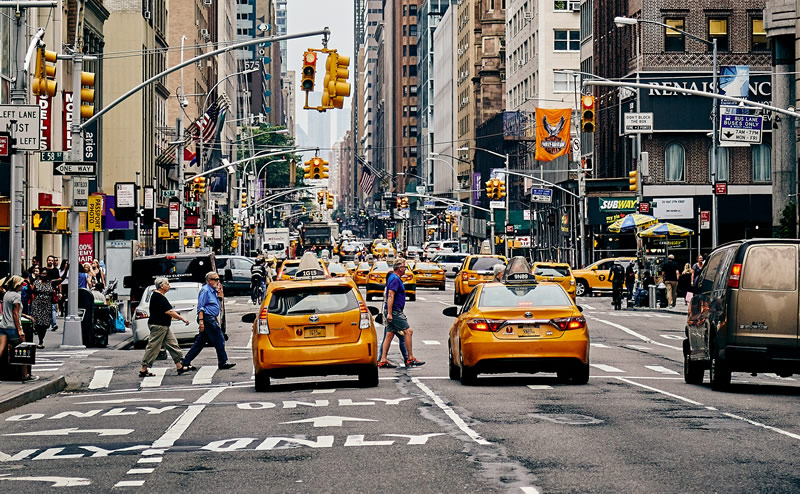
Demographics: A Nuanced Look at Who Lives Where
Demographic information is at the core of hyperlocal data, because it explains who populates a neighborhood and how their characteristics differ from the surrounding area. Age ranges, cultural backgrounds, education levels, and even lifestyle preferences can vary significantly between blocks located just a few minutes apart. Neighborhood-level insights help families make better decisions about school districts, commuting times, and cultural amenities. A young professional who wants a neighborhood filled with nightlife and coworking spaces might find exactly the right spot by studying hyperlocal population data, whereas a new parent looking for family-friendly areas can see which blocks have other children, as well as accessible parks and community centers.
For businesses, this level of detail is equally significant. Instead of using broad market research that lumps together thousands of residents, a company can discover exactly which blocks hold the demographic that matches its target customer. A restaurant chain might learn that one part of town has a high concentration of college students who dine out frequently, prompting them to open a new location that caters to late-night appetites. Demographic specificity saves resources by focusing on the areas where demand is strongest, helping businesses thrive and creating a dynamic local marketplace.
Amenities and Points of Interest: Mapping Community Life
Amenities and points of interest are central to a neighborhood’s appeal. These range from practical resources like grocery stores and pharmacies to cultural attractions such as museums, music venues, and historic landmarks. Hyperlocal data can show not just how many amenities exist in a city, but precisely where they are located and how residents interact with them. In this way, it becomes clear why one district has become a weekend hotspot and another has not. A neighborhood might have a cluster of parks, libraries, and community centers that draw families looking for safe, lively spaces. By contrast, a different part of town might be known for theaters and art galleries that appeal to those seeking nightlife and cultural events.
Points of interest also reflect local culture and history. A mural painted decades ago can become a defining feature of a specific block, attracting visitors and driving foot traffic. When these points of interest are recorded at a hyperlocal level, they can help tourism boards create authentic guides to lesser-known sites, entice property investors to preserve local heritage, or even motivate residents to push for historical landmark status. The more detailed the data, the easier it is to see which corners of a neighborhood deserve closer attention, whether for economic development or community pride.
Economic and Housing Data: Revealing Local Trends
Economic vitality can shift dramatically between neighboring blocks. One area might experience a surge in new businesses and rising property values, while a nearby block struggles with declining job opportunities and vacant storefronts. Hyperlocal economic and housing data uncovers these patterns in a way that broader city-wide surveys cannot. Local governments can spot neighborhoods that need a boost and deploy resources more effectively, rather than rolling out a uniform policy across the entire city. Nonprofits aiming to tackle unemployment can focus on the blocks that need training programs, while entrepreneurs looking for upward-trending markets can identify the smaller areas that are on the verge of a boom.
Housing data is similarly powerful when it is localized. A city might list an overall median home price that conveys little about the realities in each district. In contrast, hyperlocal data might show that one block has recently opened several luxury condo units, causing the average price in that block to soar. A nearby street might feature older homes with more modest price tags, which is important for families seeking affordability but still hoping to remain close to city amenities. Homebuyers, real estate agents, and investors all benefit from this level of specificity. Buyers can find homes that fit their budget and lifestyle, agents can market properties more efficiently, and investors can recognize where the next wave of development is likely to take place.
Shaping the Future Through Local Knowledge
Hyperlocal data continues to grow in importance because technology has made such granular information both available and actionable. Smartphones track local traffic patterns, community groups share real-time neighborhood updates, and platforms aggregate data from local businesses and property records. The result is a deeper, more nuanced understanding of what is happening on specific streets, allowing timely and targeted interventions. A district facing sudden restaurant closures can examine data related to foot traffic or consumer spending to see whether there is a temporary downturn or a long-term shift in resident preferences.
As people grow accustomed to using localized platforms in their daily lives, community engagement tends to rise. When residents see data illustrating that a local park lacks sufficient upkeep or that a certain area has limited access to fresh groceries, they are better equipped to advocate for change. The same is true for businesses that study hyperlocal economic trends to decide whether a new location can succeed. Data-driven insights allow for more efficient decision-making, whether one is scheduling bus routes, planning festivals, or exploring real estate opportunities.
Hyperlocal data also encourages a sense of collective identity. It highlights the defining qualities that make one block different from another, enabling residents to feel pride in the place they call home. Rather than viewing the city as a monolithic entity, people notice how every corner has its own story, adding richness to the urban tapestry. This heightened awareness often leads to innovative local collaborations, such as neighborhood groups partnering with small businesses to revitalize a neglected thoroughfare or cultural organizations teaming up to preserve a historic theater.
Although concerns like data privacy must be addressed, the benefits of hyperlocal data for communities and businesses cannot be ignored. It allows stakeholders to identify challenges and possibilities at the neighborhood level rather than painting broad strokes across an entire region. Housing markets become more transparent, economic developments become easier to forecast, and community resources become more tailored and efficient. The shift from city-wide views to hyperlocal insights might seem subtle, but it has the capacity to create sweeping improvements in the way people live, work, and interact. By acknowledging the finer points of each block, we unlock real opportunities for meaningful growth and transformation, proving that small scale truly can have a big impact.